Mercedes-Benz Confirms 16 New Cars in 2026 With a Bigger Product Wave Coming in 2027
Mercedes-Benz Confirms 16 New Cars in 2026 With a Bigger Product Wave Coming in 2027
February 16, 2026
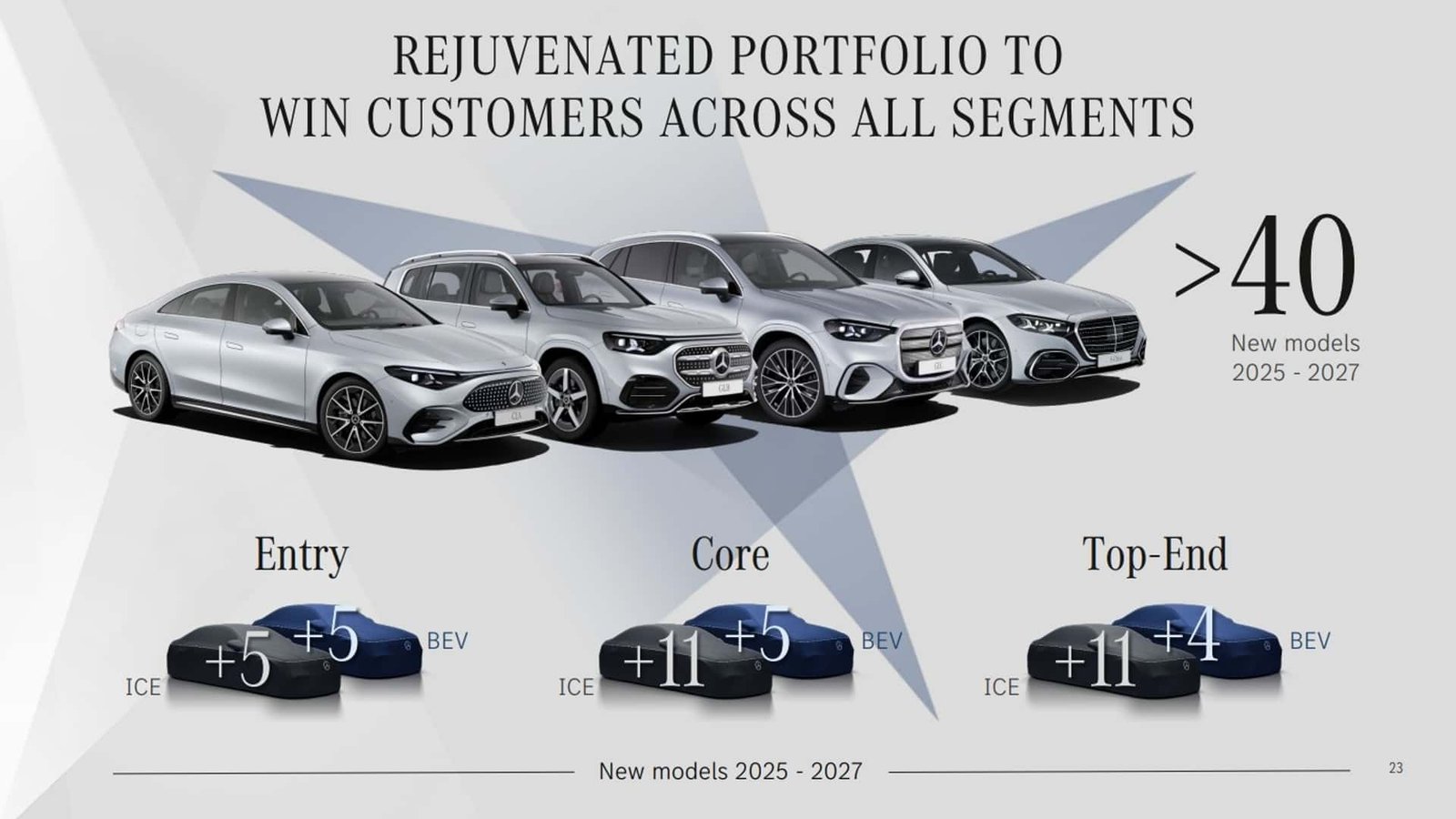
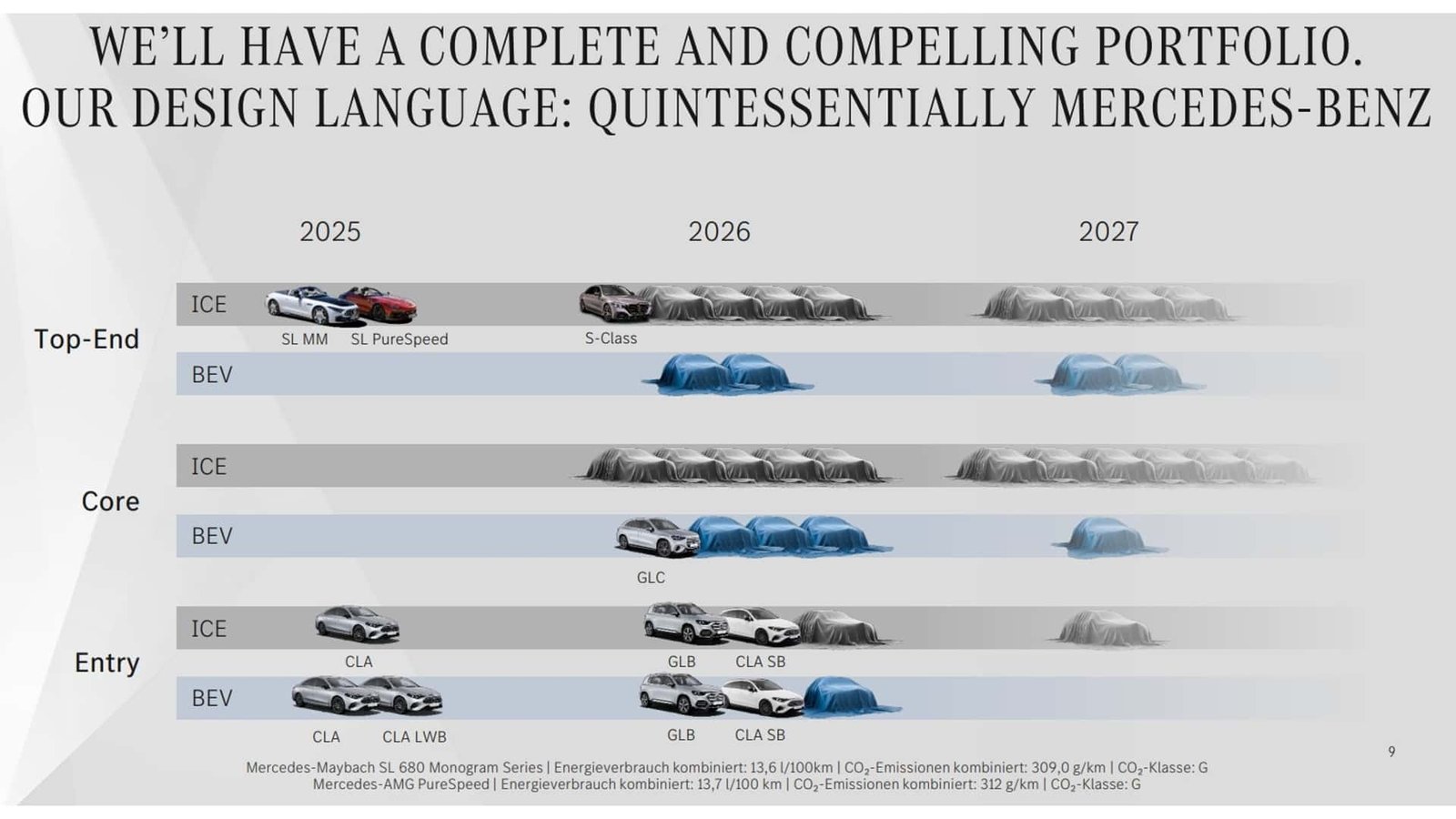
Mercedes-Benz is preparing to unleash one of the most aggressive product rollouts the luxury automotive world has seen in years. The German automaker has confirmed plans to introduce 16 new vehicles in 2026, followed by another 14 new models in 2027, signaling a major transformation of its lineup across every major segment.
What makes this announcement even more exciting is the timeline. Mercedes has revealed that seven world premieres will happen within the next three months alone, meaning the brand is moving quickly to refresh its portfolio and regain momentum after a period of declining sales in key global markets. From ultra-luxury Maybach sedans to AMG performance machines, and from redesigned entry-level crossovers to next-generation electric flagships, Mercedes-Benz is essentially rewriting its future in real time.
Mercedes-Benz Is Entering a New Product Era
Mercedes-Benz has long been known for calculated evolution rather than rapid reinvention. But this time, the approach is different. The company’s strategy for 2026 and 2027 reflects urgency and ambition.
During its recent capital markets update, Mercedes outlined a future where its lineup will expand across three major pillars:
Instead of focusing purely on electric cars, Mercedes is also doubling down on what still sells strongly in many markets: combustion-powered vehicles. And that may be the most surprising part of this entire announcement.
Most of the Upcoming Models Will Still Be Combustion-Powered
While many brands are rushing toward full electrification, Mercedes-Benz appears to be taking a more market-driven approach. According to the information shared, the majority of new arrivals in 2026 will still feature internal combustion engines, with electrification offered alongside them rather than replacing them completely.
This strategy makes sense, especially in regions where EV infrastructure is still catching up and where high-performance petrol engines remain in demand. It also aligns with Mercedes’ recent signals that the transition to EV-only production will not happen as quickly as originally expected. Instead, the brand is aiming to keep customers engaged through variety offering electric alternatives without abandoning the traditional Mercedes driving experience.
The Next Mercedes Wave Includes AMG and Maybach Expansions
Mercedes-Benz isn’t simply launching “new cars.” It’s launching new versions of its identity and its sub-brands are at the heart of it. The Mercedes-AMG and Mercedes-Maybach lineups are expected to expand significantly during this period. One of the biggest highlights is the upcoming Mercedes-Maybach S-Class, which is expected to arrive as early as March 2026. For luxury buyers, the Maybach S-Class continues to represent the peak of Mercedes opulence a car designed not just for driving pleasure, but for executive comfort and prestige.
At the same time, AMG is preparing to push performance even further. Reports indicate the return of the AMG GT 4-Door Coupe, which is expected to receive major performance enhancements, and it won’t stop there. Mercedes is also preparing an AMG SUV counterpart, scheduled to arrive in 2027, expanding the performance portfolio into the luxury SUV world even more aggressively.
SUVs Will Remain Mercedes-Benz’s Biggest Battlefield
No modern luxury brand can ignore SUVs and Mercedes clearly isn’t. Alongside its sedans and performance cars, Mercedes is planning updates and expansions to several key SUV nameplates. One notable mention is the GLS, Mercedes’ full-size luxury SUV, which is expected to receive an update in 2026. More importantly, it will likely be followed by an AMG version and an ultra-luxury Maybach variant. This is a clear signal that Mercedes is doubling down on high-margin flagship SUVs, where customer demand continues to rise globally. Even more intriguing is the teased arrival of a G-Class Cabriolet, a model that could combine iconic G-Wagon ruggedness with open-top exclusivity something that would instantly become a collector-grade luxury vehicle.
Mercedes-Benz EVs Are Evolving Not Disappearing
While combustion models will dominate the rollout, Mercedes is still investing heavily in electric technology, particularly at the top-end of the market. One of the most anticipated updates is the facelifted Mercedes EQS, expected to feature revised styling and improved technology. Reports suggest this update could bring an 800-volt architecture, enabling faster charging and more efficient power delivery an important step in making Mercedes EVs more competitive against rivals like Porsche and Tesla. In addition, Mercedes is working toward an electric future for some of its most iconic nameplates. The arrival of an electric S-Class and an electric version of the GLS (currently tied to the EQS SUV identity) reflects a strategy where Mercedes intends to electrify the vehicles that define its flagship status.
The First All-Electric C-Class Is on the Way
Perhaps the most significant development for everyday luxury buyers is the upcoming all-electric C-Class. The C-Class is one of Mercedes-Benz’s most important models worldwide, and a fully electric version could become a defining product for the company’s next decade. Alongside this, the combustion-powered C-Class is expected to receive a facelift, ensuring that buyers still have multiple powertrain choices. This dual approach perfectly captures Mercedes’ current philosophy: electric growth without forcing the market to abandon petrol engines overnight.
Entry-Level Mercedes Models Are About to Change Too
Mercedes is also refreshing its entry-level portfolio, ensuring that the brand remains attractive to younger buyers and first-time luxury customers. One of the key highlights is an all-new Mercedes-Benz GLA, expected to arrive as part of the upcoming wave. This compact crossover plays a major role in Mercedes’ global volume strategy, especially in regions where luxury SUVs dominate purchasing decisions. By redesigning the GLA and introducing new entry-level EV options, Mercedes is working to keep its smallest models competitive while still delivering the premium design and technology buyers expect.
AMG’s Future May Include a New “Black Series” Era
Performance enthusiasts will also be paying attention to what Mercedes-AMG hinted at recently. The teased Concept AMG GT Track Sport may represent the beginning of something much bigger. Industry speculation suggests this could lead to the return of the legendary Black Series badge, which has historically been reserved for Mercedes’ most extreme track-focused creations. If that happens, Mercedes-AMG could be preparing a new chapter in its performance history one that blends traditional motorsport-inspired engineering with electrified innovation.
A 1,300-HP AMG Electric SUV Could Be Coming
Mercedes has also been previewing what appears to be the production direction of the Concept AMG GT XX, which is expected to serve as an electric successor to the AMG GT 4-Door. Even more dramatic is the possibility of an electric AMG SUV variant that could push output toward 1,300 horsepower, a number that places it firmly in hypercar territory. If this performance SUV arrives as expected, it could become one of the most powerful production SUVs in the world, directly challenging the future of electric performance brands.
Mercedes-Benz’s 2027 Plan: More Core Models, More Regional Focus
While 2026 is focused on major premieres across multiple segments, Mercedes’ 2027 strategy appears to lean heavily into its core lineup. The automaker is expected to bring a wave of refreshed core models, with a mix of ICE and EV variants. Mercedes is also reportedly developing market-specific vehicles such as long-wheelbase SUVs for China, including a potential long-wheelbase GLE. This highlights Mercedes’ targeted approach to global markets building products not only for worldwide appeal, but also for regional preferences where demand is strongest.
The Real Reason Behind Mercedes-Benz’s Massive Launch Strategy
Ultimately, Mercedes-Benz’s plan isn’t just about adding more cars. It’s about restoring dominance. Luxury buyers are becoming more demanding, competitors are growing more aggressive, and the market is shifting faster than ever. Mercedes is responding with a clear message: it will not allow rivals to define the future of premium mobility. By launching 30 new models across 2026 and 2027, Mercedes is ensuring that every customer whether they want a petrol-powered AMG, a Maybach flagship, a practical luxury SUV, or a next-generation EV will have something new to consider.
Final Thoughts: 2026 and 2027 Could Be Mercedes-Benz’s Most Important Years Yet
Mercedes-Benz has always been a brand that represents prestige, innovation, and heritage. But the next two years will test how well it can balance all three. With 16 new cars arriving in 2026 and 14 more expected in 2027, Mercedes is setting itself up for a defining era one where combustion power, electrification, performance, and luxury coexist under the same badge. For buyers, enthusiasts, and the global automotive market, one thing is clear: Mercedes-Benz is about to flood the industry with new options, and the luxury segment is about to become far more competitive.
Automax®, established on December 15, 1997, in Little Rock, Arkansas, is a multi-award-winning car dealership renowned for supplying brand-new vehicles to both the MENA region and global markets. With 28 years of experience, over 63,000 cars sold, and 7 showrooms, we are a trusted leader in the automotive industry. Our mission is to offer competitive prices on the latest models from top American and German brands – Stellantis, GM, Ford, Mercedes, BMW, and Audi. Automax® is committed to transparency, affordability, and integrity, delivering a seamless, trustworthy car-buying experience worldwide.