
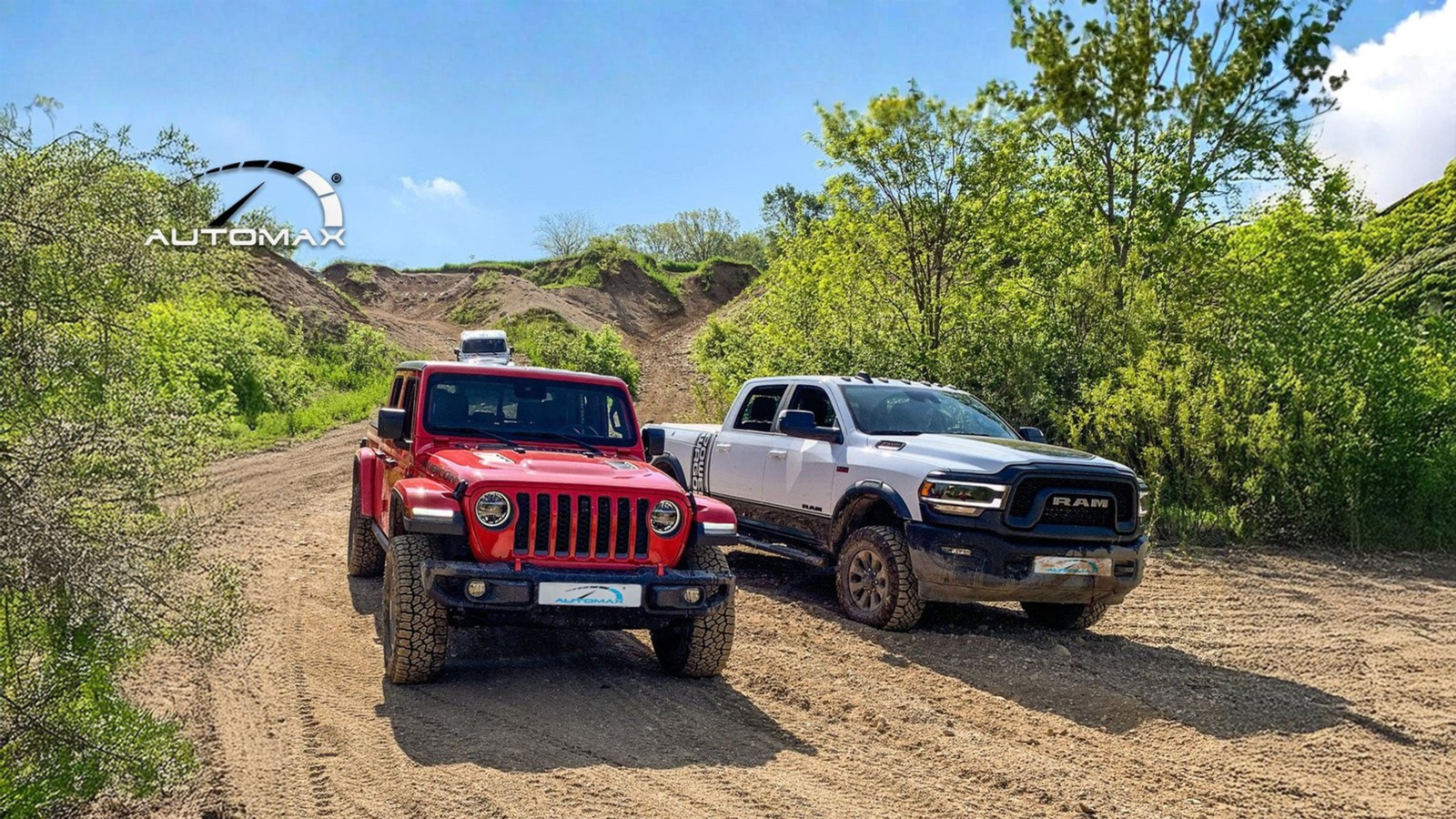


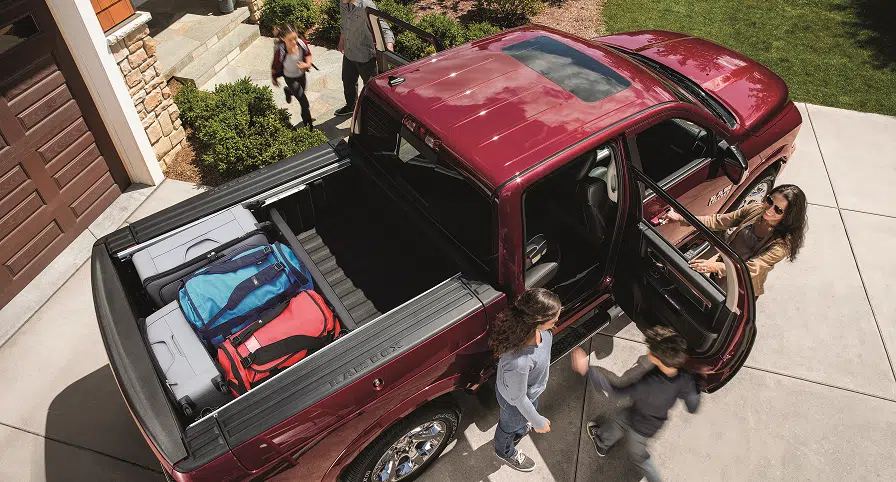





The body dimensions of SUVs and pickup trucks differ significantly, reflecting their unique purposes. Pickup trucks are designed primarily for utility, and their body structures are optimized for heavy-duty tasks. With longer wheelbases and bulkier frames, trucks like the Chevrolet Silverado or Ford F-150 can haul and tow significant loads. The open cargo bed in pickup trucks is a standout feature, designed to handle large, heavy items that wouldn’t fit into the enclosed space of an SUV. These trucks are generally longer, with extended wheelbases and additional features like reinforced frames to support their payload capacities.
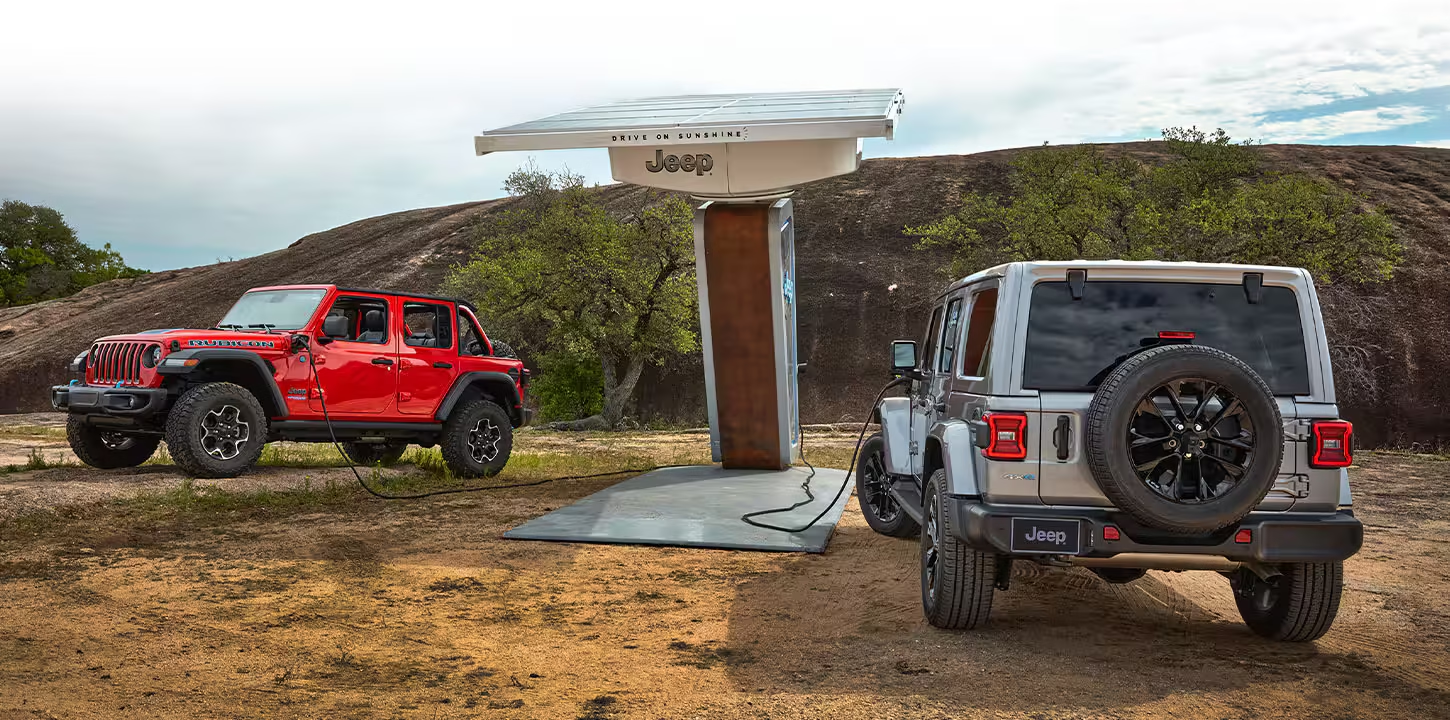
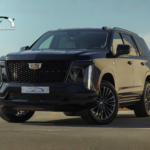
In contrast, SUVs are built with a focus on passenger comfort and versatility. Their design incorporates a more compact, enclosed body that prioritizes interior space for passengers rather than cargo. SUVs like the Grand Cherokee and Nissan Patrol still boast large overall profiles, but they balance utility with aesthetics and comfort. These vehicles tend to have shorter wheelbases compared to trucks, making them more maneuverable and easier to handle, especially in urban environments.
The streamlined, closed body design of SUVs also contributes to improved aerodynamics, which aids fuel efficiency and handling. While pickup trucks are rugged and more utilitarian in appearance, SUVs often feature sleeker designs with smoother lines, catering to both on-road performance and off-road capability.