Why Won’t My Car Start? Top 15 Reasons and Solutions
By Adam Chehayeb
Is your car refusing to start? Discover the 15 most common reasons, from a dead battery to a faulty fuel pump, and learn practical solutions to get back on the road safely.
Introduction
Few things are as frustrating as a car that refuses to start, especially when you’re running late. Whether it’s a silent engine or a few ominous clicks, understanding the cause can help you resolve the issue faster. This comprehensive guide will break down the most common reasons your car might not start and what you can do about them, empowering you with the knowledge to troubleshoot effectively and get back on the road.
Understanding Your Car's Core: Battery and Alternator
Think of the battery as your car’s heart—it provides the initial energy to start the engine and power electronics. The alternator, on the other hand, acts like the circulatory system, keeping the battery charged while powering the car’s electrical components. When either of these components fails, your car might struggle or refuse to start. Let’s explore other potential culprits.
Top 15 Reasons Your Car Won't Start & How to Fix Them
1. Dead or Weak Battery
The most common culprit. A battery can fail due to age (3-5 years is typical), leaving lights dim and engines unresponsive. If your dashboard lights are dim or you hear only a clicking sound when you turn the key, a weak or dead battery is highly probable.
Solution:
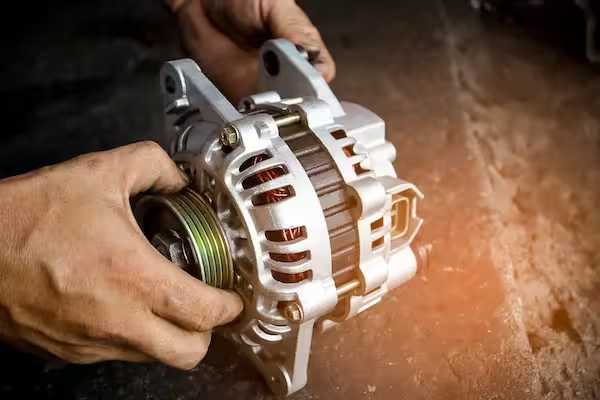
2. Malfunctioning Alternator
If the alternator fails, the battery won’t recharge, leading to a no-start situation. This means your car will eventually run out of stored battery power, even if the battery itself is new.
Warning signs:
Solution:
3. Faulty Starter
The starter motor is responsible for cranking the engine. Clicking sounds or no response when turning the key are telltale signs that the starter isn't engaging properly.
Solution:
4. Faulty Ignition Switch
A loose or failing ignition switch can prevent the starter from engaging, effectively cutting off the signal that tells your car to start.
Solution:
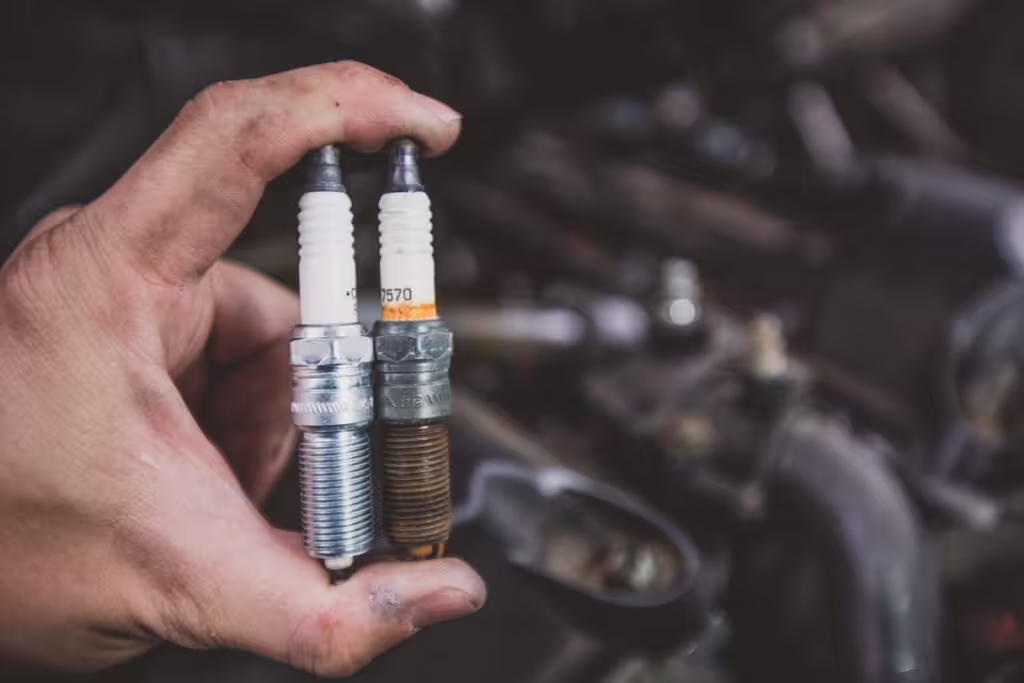
5. Worn Spark Plugs
Spark plugs ignite the fuel-air mixture. Worn plugs result in weak or no sparks, preventing combustion and a successful start. Over time, the electrodes on spark plugs erode, reducing their effectiveness.
Solution:
6. Broken Distributor Cap
For older vehicles, a cracked distributor cap can disrupt the electrical flow to spark plugs. This can lead to misfires or a no-start condition, as the ignition system cannot deliver consistent spark.
Solution:
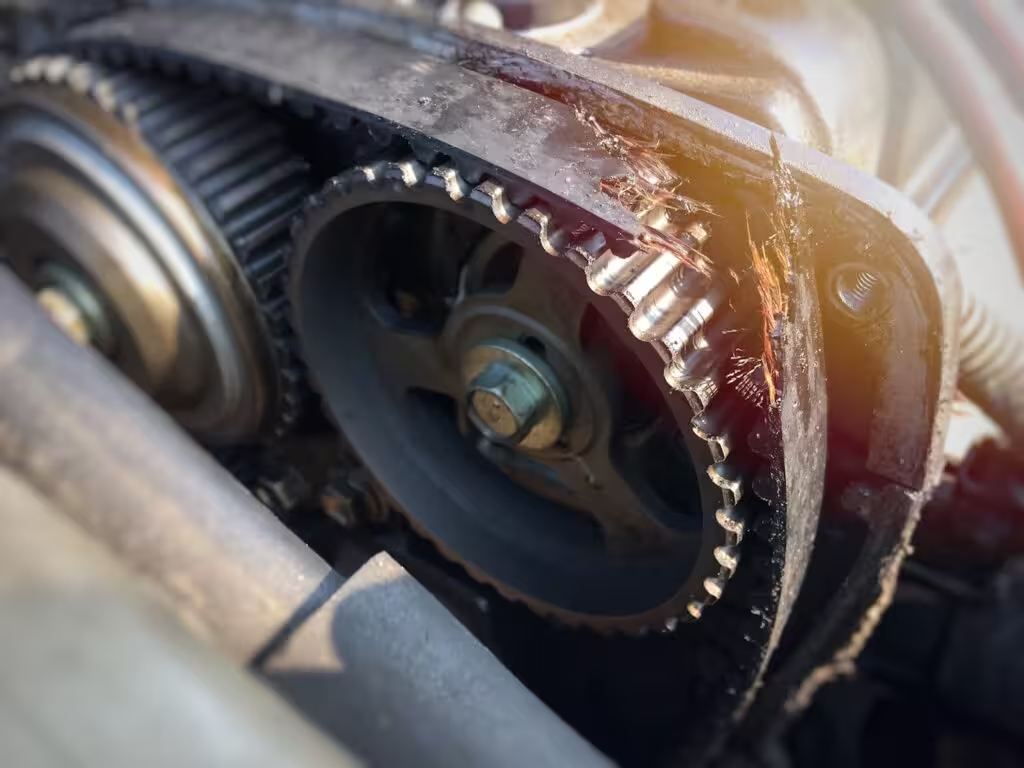
7. Defective Timing Belt
A broken timing belt disrupts engine synchronization, potentially causing severe damage. This prevents the camshaft and crankshaft from working in harmony, making it impossible for the engine to start or run properly.
Solution:
8. Blown Fuse
Fuses protect electrical circuits. A blown fuse related to the ignition or starter can prevent the car from starting by cutting power to critical components.
Solution:
9. Stuck Steering Lock
A malfunctioning steering lock can prevent the ignition switch from engaging. Many vehicles have an anti-theft steering lock that engages when the key is removed, and if this mechanism binds, it can stop the key from turning.
Solution:
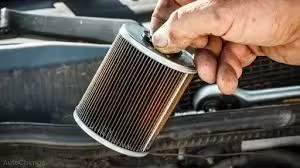
10. Dirty Fuel Filter
A clogged fuel filter restricts fuel flow, making it hard for the engine to start. If the engine isn't receiving enough clean fuel, it will struggle to ignite the air-fuel mixture effectively.
Solution:
11. Out of Gas
Surprisingly common, an empty tank can leave you stranded. Modern fuel gauges can sometimes be inaccurate, or you might simply misjudge how much fuel is left, especially if you frequently drive on fumes.
Solution:
12. Wiring Problems
Corroded or damaged wires can disrupt the electrical system. These issues can prevent power from reaching essential components like the starter, ignition, or fuel pump, leading to a no-start condition.
Solution:
13. Faulty Immobilizer System
Anti-theft systems may malfunction, preventing the car from starting. Modern cars are equipped with immobilizer systems that prevent the engine from starting if an incorrect key or unauthorized attempt is detected.
Solution:
14. Car Not in Neutral/Park
Automatic cars won’t start unless the gear is in Neutral or Park. This is a crucial safety feature to prevent the car from lurching forward or backward unexpectedly when starting the engine.
Solution:
15. Faulty Fuel Pump Relay
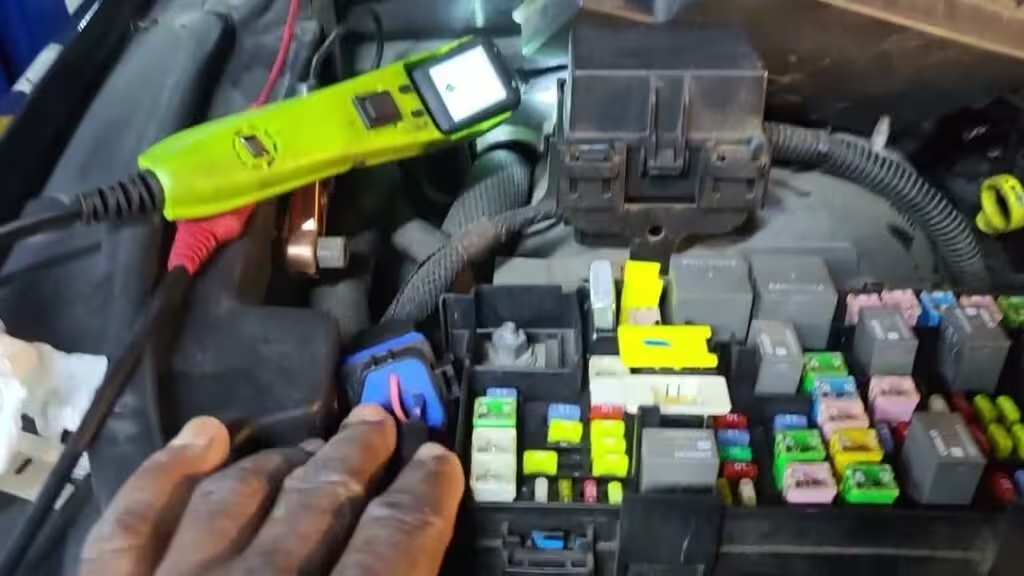
A failing relay can prevent fuel from reaching the engine. The fuel pump relay is an electrical switch that provides power to the fuel pump. If this relay fails, the fuel pump won't activate, leading to fuel starvation.
Solution:
What to Do When Your Car Won't Start (General Advice)
Encountering a no-start situation can be incredibly frustrating, as depicted by the driver inspecting their engine bay on the roadside (Image 3). While the reasons can be numerous, a systematic approach can help. Always prioritize safety: if you're on the side of the road, ensure your hazard lights are on and you are in a safe location away from traffic.
Before diving into complex diagnostics, always check the simplest potential causes first: Is there gas in the tank? Is the car firmly in Park or Neutral? Are the battery terminals clean and tight? These quick checks can often resolve the issue without further intervention. If these simple checks don't work, systematically going through the 15 reasons listed above can guide your troubleshooting process.
Conclusion
A car that won't start can be a major inconvenience, but by understanding the common culprits, you can often diagnose the problem more quickly. From simple fixes like a dead battery or an empty fuel tank to more complex issues involving the alternator, starter, or intricate wiring, knowing what to look for is the first step. While some problems can be resolved with a quick DIY fix, many require professional attention to ensure your vehicle's safety and reliability. Regular maintenance is key to preventing many of these no-start scenarios. If you're unsure about the cause or solution, always consult a certified mechanic to get your vehicle back on the road safely and efficiently.