What to Do If Your Car Overheats in the UAE: A Driver's Guide
By Adam Chehayeb
Driving in the UAE's extreme heat can lead to car overheating. Learn immediate actions, common causes, and prevention tips to protect your engine.
Introduction
In the heart of summer, driving across the UAE can feel like cruising through an oven. With temperatures soaring above 45°C, car engines are under tremendous strain—and overheating becomes a real risk. Whether you’re navigating Dubai traffic or embarking on a desert adventure, knowing what to do when your car overheats can prevent serious damage and costly repairs. This critical knowledge ensures not only the longevity of your vehicle but also the safety of its occupants on the road.
In this article, we’ll walk you through the right steps to take during an overheating incident, explore the common causes specific to UAE driving conditions, and share practical tips to ensure your vehicle stays cool under pressure. Understanding these aspects is crucial for every driver operating in the region's unique climate.
Immediate Actions to Take When Your Car Overheats
The first signs of trouble are often a rapidly rising temperature gauge, steam escaping from under the hood, or warning lights flashing on your dashboard. In these moments, a calm and calculated response is essential. Panicking can lead to poor decisions that exacerbate the problem. Here’s a detailed breakdown of the immediate steps you should take to mitigate damage and ensure your safety.
1. Safely Pull Over and Switch Off the Engine
If your car begins to overheat, pull over to a safe location as soon as possible. Look for a hard shoulder, a parking lot, or any area away from moving traffic. Continuing to drive with an overheating engine can lead to head gasket failure, warped cylinders, or complete engine breakdown, transforming a manageable issue into an extremely expensive repair or even total vehicle loss. Once you've safely stopped, switch off the ignition immediately.
2. Open the Hood With Caution
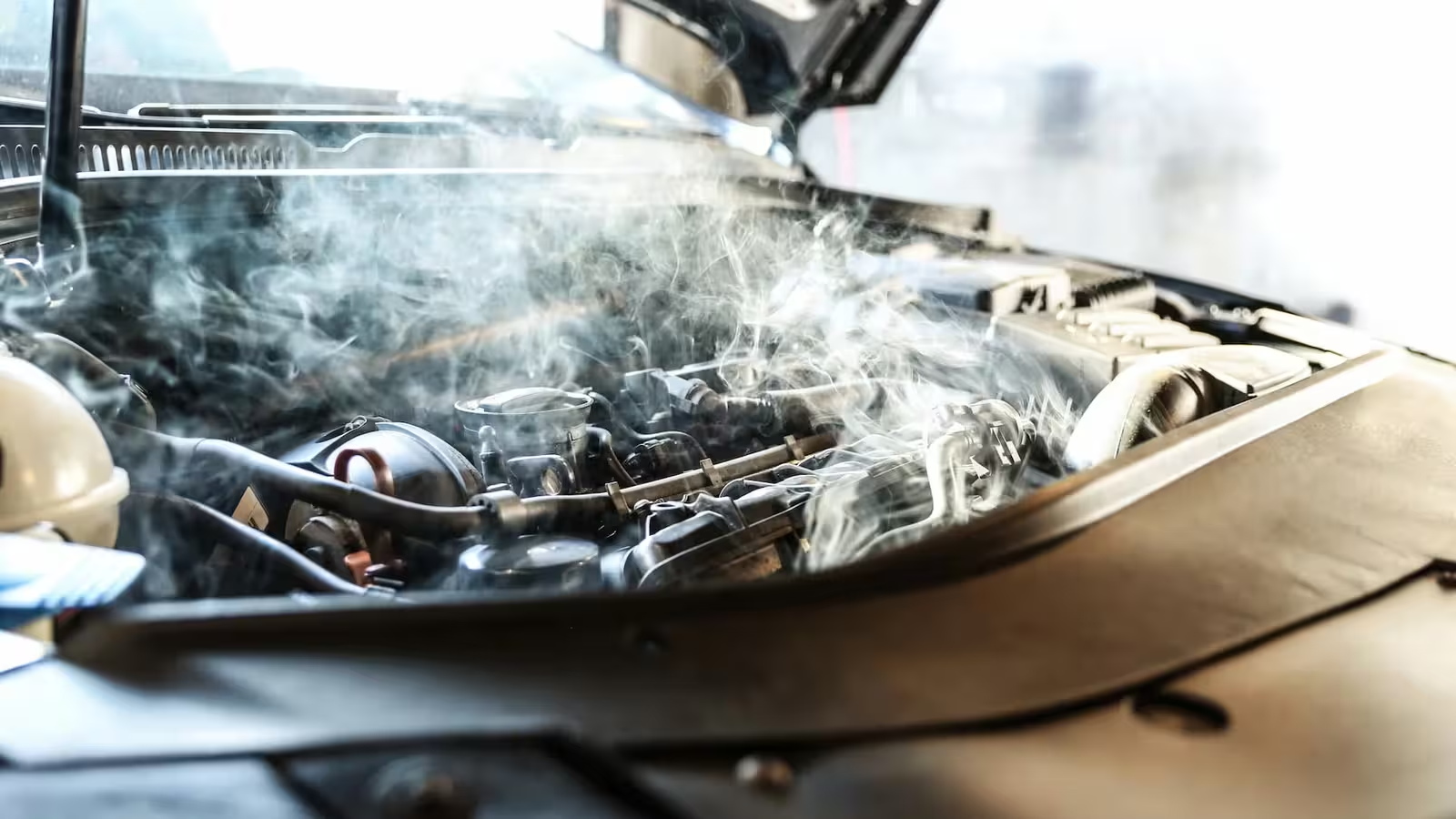
Once stopped, switch off the ignition and wait a few minutes before carefully opening the hood. This allows the intense heat and pressure to dissipate somewhat and avoids the risk of severe burns from hot steam or boiling coolant. When opening the hood, stand back to avoid any sudden burst of steam. Never attempt to open the radiator cap while the engine is hot, as the pressurized hot coolant can erupt and cause serious injury. The sight of steam billowing from under the hood, as depicted in the image, is a stark reminder of the extreme temperatures involved.
3. Wait and Observe
Allow the engine to cool for at least 15 to 30 minutes. This cooling period is crucial for reducing the engine’s internal temperature and pressure. During this time, monitor the temperature gauge on your dashboard. If the temperature starts to stabilize and drop to a normal range, you may cautiously proceed after checking fluid levels—but only if you’re experienced and have the necessary tools, such as extra coolant or water. Even then, proceed with extreme caution and keep an eye on the gauge.
4. Call for Roadside Assistance if Needed
If you’re unsure about the condition of your engine, if the temperature gauge remains high, or if the overheating persists after cooling down, it’s always best to call your roadside assistance provider or a professional mechanic. Attempting to drive a car that continues to overheat can lead to irreparable damage. In the UAE, many providers offer quick and reliable assistance, ensuring your vehicle is transported safely for inspection and repair.
Why Do Cars Overheat So Often in the UAE?
The UAE’s unique climate and demanding driving conditions play a major role in causing vehicles to overheat. Understanding these specific factors can help drivers take targeted preventive measures. It’s not just about the heat; a combination of environmental and operational stresses contributes significantly to this common issue.
Extreme Heat
Summer temperatures in the UAE regularly exceed 45°C. This intense ambient heat places continuous and immense stress on your engine’s cooling system, forcing it to work harder than in cooler climates to maintain an optimal operating temperature. The cooling system is simply battling against a much higher baseline temperature.
Low Coolant Levels
Insufficient or poor-quality coolant can quickly lead to overheating, especially in long-distance or high-speed drives. Coolant is vital for absorbing heat from the engine and dissipating it through the radiator. If levels are low due to leaks or evaporation, or if the coolant itself has degraded, its ability to cool the engine is severely compromised.
Dust and Sand Build-Up
Off-road excursions or even regular exposure to sandstorms can cause dust and sand to build up. This particulate matter can clog air filters, restricting the air intake crucial for combustion, and more critically, accumulate on radiator fins, reducing airflow and heat dissipation. A blocked radiator cannot efficiently release the heat from the coolant, leading to engine overheating.
Mechanical Failures
Components within the cooling system can fail. Faulty radiator fans, which are essential for pulling air through the radiator at low speeds, or malfunctioning thermostats, which regulate coolant flow, are common culprits. Worn-out hoses, prone to leaks or blockages, also contribute significantly, particularly in older or poorly maintained vehicles.
Inadequate Maintenance
Neglecting routine services, such as coolant flushes, oil changes, and checks of the cooling system components, can lead to small issues snowballing into major overheating risks. Regular maintenance ensures that all parts of the cooling system are functioning optimally and can withstand the demands of the UAE climate.
How to Prevent Overheating in the UAE
While overheating can be alarming, it is largely preventable with proactive care and the right equipment. Implementing these preventive measures can significantly reduce your risk of encountering an overheating incident, especially during the scorching summer months in the UAE. Staying ahead of the heat is key to preserving your vehicle's health.
Use a High-Quality Coolant
Ensure your coolant is specifically formulated for high-temperature environments like the GCC. These specialized coolants have a higher boiling point and better heat transfer properties. Refill and flush your cooling system regularly according to your manufacturer's recommendations to maintain optimal performance and prevent the build-up of corrosive elements that can hinder efficiency.
Keep Your Radiator and Air Filters Clean
Dust, sand, and grime can block your car’s ability to cool itself efficiently by impeding airflow through the radiator and restricting air intake. Routine cleaning of the radiator fins and regular replacement or cleaning of air filters helps maintain proper airflow and prevents the engine from working harder than necessary, thereby reducing the risk of overheating.
Install Heat Management Accessories
Consider aftermarket upgrades such as engine bay heat shields, hood vents, or auxiliary cooling fans designed for off-road and desert conditions. These accessories can provide an extra layer of protection by reducing under-hood temperatures and enhancing the cooling system's capacity. They are especially useful for frequent travelers and off-road enthusiasts who push their vehicles to their limits.
Shade and Protect Your Vehicle
The sun's intense rays can significantly heat up your car even when parked. Using reflective windshield sunshades and parking in covered areas can significantly reduce interior heat, which in turn eases the load on your air conditioning system and, consequently, your engine. A cooler starting point means less strain on the cooling system from the outset of your journey.
Schedule Seasonal Inspections
Before the peak of summer, have your car inspected by a professional mechanic. A quick check-up can identify early warning signs like worn hoses, low fluid levels, a weak thermostat, or a failing water pump. Addressing these minor issues proactively can prevent them from escalating into a major overheating emergency when the temperatures are at their highest.
Conclusion
Overheating is one of the most preventable causes of engine failure, but only if you know how to respond and prepare. In the UAE’s extreme climate, every driver should understand the warning signs and take proactive steps to protect their vehicle. By being informed about immediate actions, recognizing common causes unique to the region, and diligently following preventive maintenance, you can ensure your car remains a reliable companion on the roads, even when temperatures soar. Drive smart, stay cool, and protect your investment.