REEV vs PHEV vs EV: Your Ultimate Guide to Electrified Cars in the GCC
By Adam Chehayeb
Demystify electric, plug-in hybrid, and range-extended vehicles. This Automax® guide helps UAE & GCC buyers choose the perfect powertrain for their journeys.
Navigating the Future of Driving: REEV vs PHEV vs EV
The automotive landscape is rapidly evolving, with car buyers facing more choices than ever before. Beyond the traditional petrol and diesel engines, a new generation of electrified vehicles has emerged, offering innovative ways to power your journeys. However, the terminology can be bewildering: Electric Vehicles (EVs), Plug-in Hybrids (PHEVs), and Range-Extended Electric Vehicles (REEVs) each present unique characteristics that can be confusing. A car might have an electric motor but still require petrol, or boast a long advertised range that combines battery power with a full fuel tank. Others may operate without a combustion engine entirely. For those comparing REEV vs PHEV vs EV, the most useful questions are practical: what drives the wheels, where does the energy come from, and how will you replenish it?
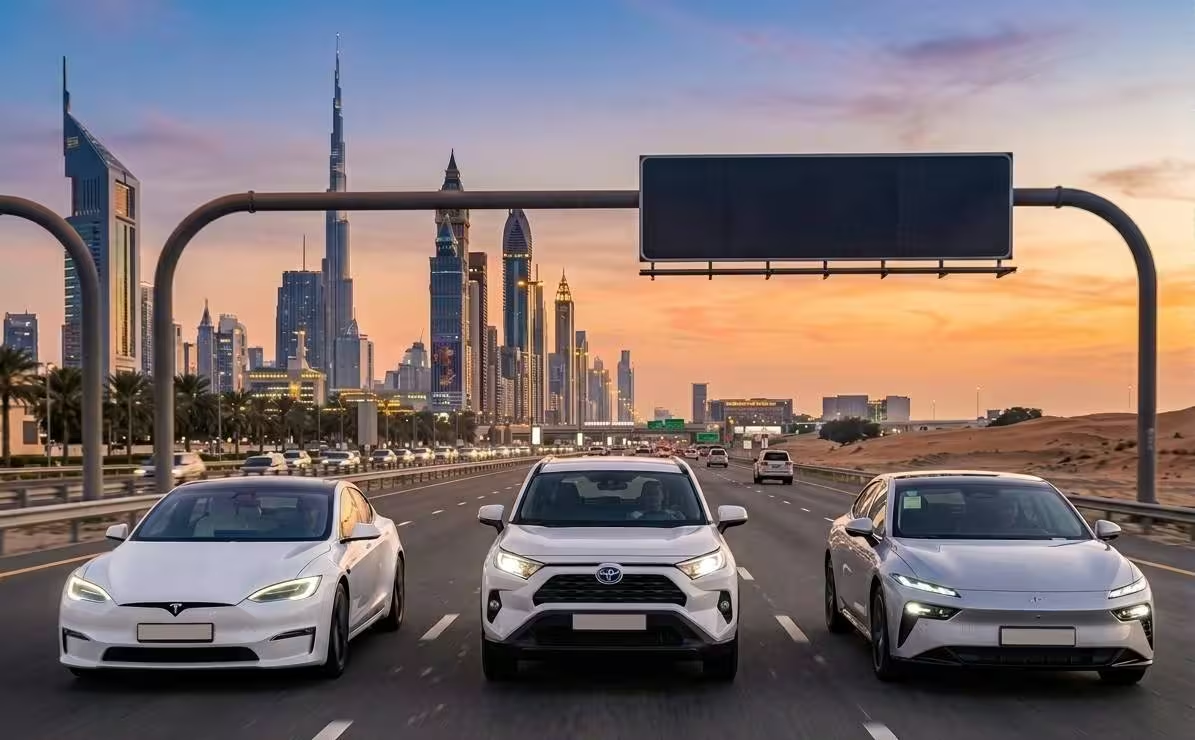
This Automax® guide is designed to cut through the confusion, explaining the fundamental differences between these powertrains and how to choose the right one for your commuting, longer journeys, and overall ownership experience across the UAE and GCC. Just as the modern vehicles pictured traversing a Dubai highway demonstrate the variety of options available, understanding each type is crucial for an informed decision.
The Main Difference Between REEV, PHEV and EV
To begin, let’s clarify the core definitions:
What Is an EV?
In this guide, EV means a fully battery-electric vehicle, also called a BEV. It has electric propulsion and no petrol or diesel engine. A battery-electric vehicle stores energy in a rechargeable battery and uses one or more electric motors for propulsion. You replenish its driving energy through external charging. There is no petrol tank to refill and no combustion engine to start when the battery runs low. Journey planning therefore depends on usable battery range and access to compatible charging. An EV also produces no tailpipe exhaust emissions while driving. Its wider environmental impact includes electricity generation and manufacturing, so “no tailpipe emissions” is the more precise description. (US Department of Energy: all-electric vehicles) For a buyer, the central question is whether charging fits naturally into the week. A dependable charging location at home or work can make that decision much easier.
What Is a PHEV?
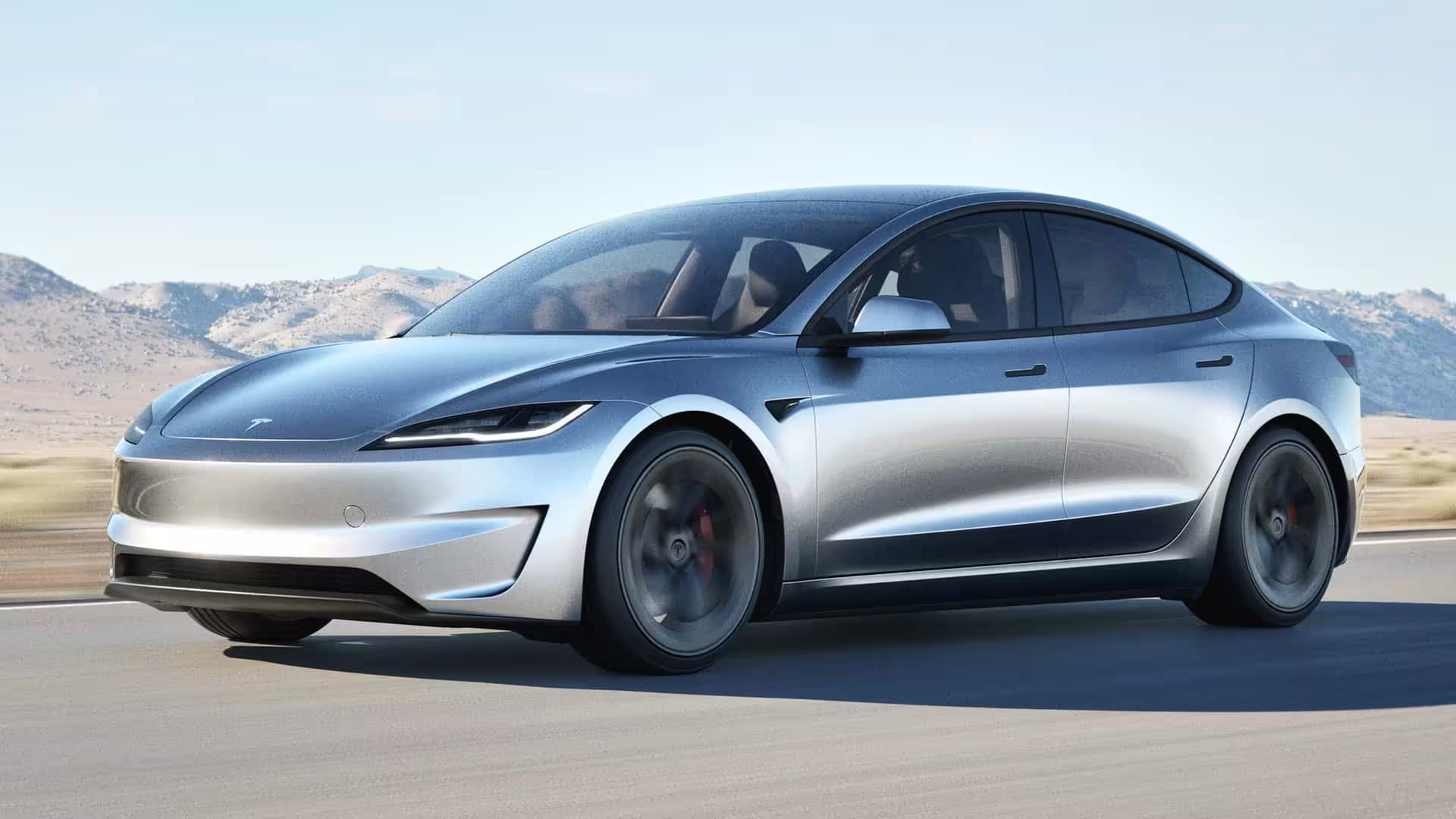
A PHEV is a plug-in hybrid electric vehicle. It combines an externally rechargeable battery with a combustion engine. A plug-in hybrid has both a rechargeable traction battery and an engine, usually petrol-powered. Many PHEVs can cover everyday journeys using stored electricity, then continue using fuel when required. Depending on the design, the engine can drive the wheels, generate electricity, or work alongside the electric motor. Electric mode is not always a guarantee that the engine will remain off. Acceleration demands, temperature, vehicle settings and the model’s control strategy can affect when it starts. The attraction is flexibility: charging can support local electric driving, while a fuel tank gives another way to continue a longer journey. The amount of petrol you actually save depends heavily on how often you charge and how you drive. (US Department of Energy: how PHEVs work)
What Is a REEV?
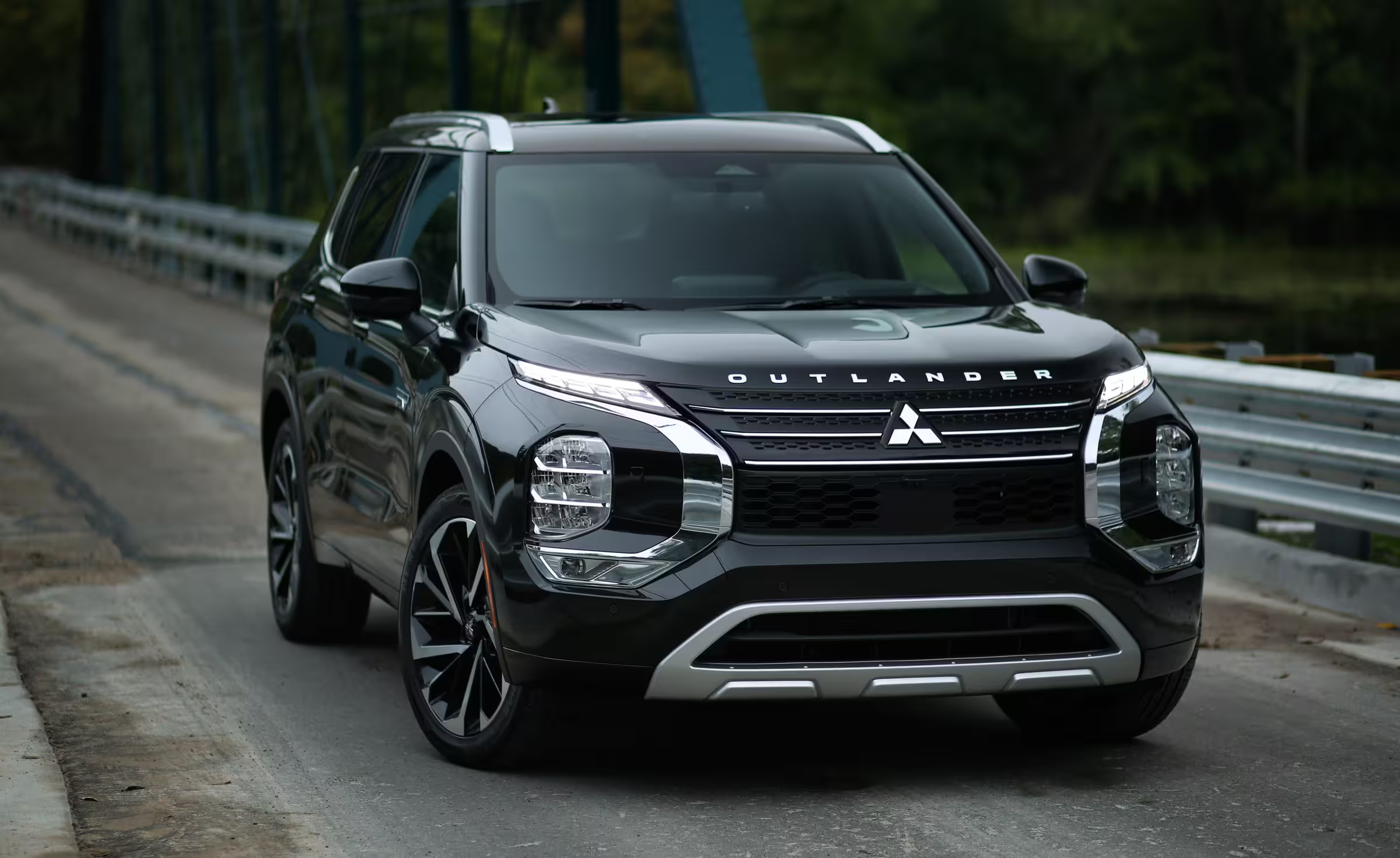
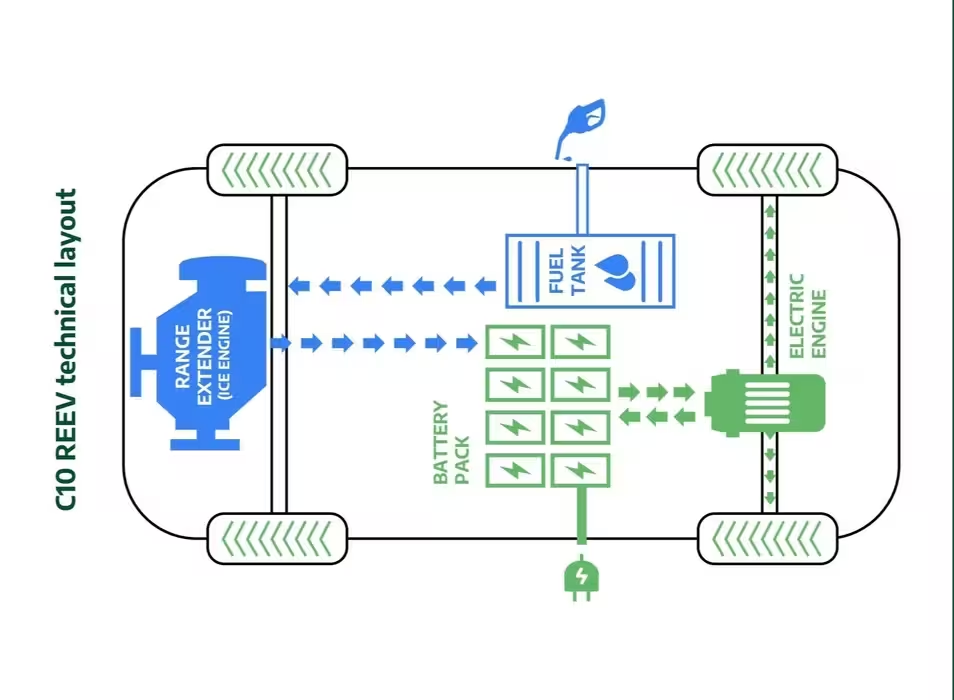
A REEV is a range-extended electric vehicle, also written as EREV. In the pure series configuration commonly associated with this name, electric motors drive the wheels and a combustion engine generates additional electricity. A REEV centres the driving experience around electric motors, with an onboard range extender supplying extra energy. In a pure series REEV, the engine turns a generator rather than mechanically driving the wheels. Electricity from the generator can support the electric drive system and battery management. Mazda’s MX-30 e-Skyactiv R-EV provides a clear manufacturer example: Mazda describes it as a series plug-in hybrid whose wheels are driven by an electric motor throughout its driving range, with a rotary engine generating additional power. This illustrates why REEV and PHEV are not completely separate technical categories. (Mazda’s technical explanation) For buyers, the benefit is electric-motor propulsion with the option to add fuel when charging is inconvenient. It still has an operating combustion engine, fuel consumption and associated servicing. It's important to note that these labels overlap. A plug-in REEV generally belongs to the broader PHEV family; REEV describes a particular approach to delivering electric propulsion with fuel backup. Manufacturer terminology varies, so the actual drivetrain matters more than the badge. (US Department of Energy: plug-in hybrid configurations)

A REEV Example Available Through Automax®
The 2027 iCAUR V27 Flagship REEV is an example in Automax®’s inventory. iCAUR identifies the V27 as using its Golden REEV system. That makes it a relevant model to explore when comparing electric driving with range-extender support. Ask the team to explain the selected vehicle’s electric range, charging capability and fuel-powered operating modes.
Does a REEV Need to Be Plugged In?
A plug-in REEV can use its generator when fuel is available, so missing a charging opportunity does not automatically end the journey. However, running the generator consumes petrol. Regular external charging allows more driving to be supplied by electricity taken directly from a charger. Our buying recommendation is to treat charging access as a benefit worth using, even when the vehicle has fuel backup. Choose a REEV because its complete operating pattern suits you, rather than assuming it provides electric motoring without an energy bill. Regenerative braking also helps recover some energy during deceleration. It cannot recover every loss or replace the energy consumed over an entire journey.
What Happens When the Electric Range Runs Out?
In a PHEV, reaching the end of the displayed electric-only range generally leads to engine-supported hybrid operation. In a pure series REEV, the generator supplies energy while electric motors continue providing propulsion. Depending on the vehicle, generation may begin before the displayed electric range reaches zero. The traction battery usually retains a managed reserve; “zero electric range” should not be interpreted as a completely discharged battery. Mazda’s operating description also shows that power generation can be requested for high acceleration demands, rather than only after battery-only driving ends. A BEV has no equivalent fuel backup. It needs sufficient charge to reach its next charging location. For a specific purchase, ask how the car behaves at low state of charge, including fuel consumption and any conditions affecting available performance.
A Regular Hybrid Is Different Again
A conventional hybrid, often labelled HEV, combines an engine with electric assistance but does not plug into an external charger. Its battery receives energy through the engine and regenerative braking. The amount of electric-only driving depends on the design. This matters when browsing vehicles described simply as “hybrid”. That word alone does not tell you whether the car has a charging port or can cover your commute with the engine off. (US Department of Energy: conventional hybrids) Likewise, a “long-range” version of a battery EV is not automatically a REEV. Longer battery range does not imply an onboard generator.
Electric Range and Combined Range Are Different Numbers
When comparing REEVs and PHEVs, separate electric-only range from total combined range. Electric-only range describes travel using battery energy under the stated conditions. Combined range includes the contribution of the battery and onboard fuel. A hypothetical vehicle advertised with 1,000 km of combined range does not necessarily offer 1,000 km of battery-only driving. It may consume petrol for a substantial part of that distance. Ask which test procedure produced each figure. Ratings from different systems, including WLTP, CLTC and EPA, should not be treated as identical measures. For a commuter, realistic electric range may matter more than total range. For a frequent long-distance driver, fuel consumption after the initial battery charge becomes equally important.
Charging Speed Depends on the Specific Vehicle
The labels REEV, PHEV and EV do not tell you how quickly a car charges. Check its AC charging capability, whether it supports DC fast charging, and which connectors it uses. Some plug-in hybrids support DC charging; many do not. Battery capacity, measured in kWh, describes stored energy. Charging power, measured in kW, describes the rate of energy transfer. They answer different questions. The vehicle’s charging limit also matters: a powerful public charger cannot force a car to accept power above its supported rate. Real charging performance varies with battery conditions and state of charge. For GCC and export buyers, confirm compatibility for the exact vehicle specification and destination. A familiar model name does not establish that every market version uses the same charging equipment. (US Department of Energy: charging considerations)
Which Has the Lowest Running Costs?
There is no universal winner without knowing the car and how it will be used. A useful comparison includes purchase price, electricity costs, petrol consumption, servicing and expected distance travelled. For a BEV, examine electricity consumption and the mix of home and public charging. For a PHEV or REEV, include both electricity and fuel. Assess how often you will actually recharge, rather than relying only on the most favourable advertised consumption figure. Our recommendation is to build the comparison around a normal month of driving. If most journeys fit within realistic electric range and you charge regularly, plug-in capability can be valuable. If most kilometres are driven with the engine running, fuel consumption in that operating condition becomes more relevant. A REEV is not automatically more economical than every other PHEV, and a PHEV does not automatically beat every BEV on ownership cost.
What About Maintenance?
A BEV generally has fewer routine powertrain service items because it has no combustion engine or engine oil to change. It still needs maintenance, including attention to tyres, brakes and applicable cooling systems. PHEVs and petrol-generator REEVs retain engine-related servicing alongside their electrical systems. Low engine usage does not remove the need to follow the manufacturer’s time-based service schedule. Battery warranty terms also deserve attention. Check duration, distance limits, covered conditions and whether the warranty applies where the car will be registered. (US Department of Energy: maintenance guidance) For export buyers, access to suitable servicing and parts should form part of the vehicle decision.
What GCC Heat and Highway Driving Mean for Range
Hot weather, air-conditioning demand, speed, load and terrain all influence energy consumption. Sustained highway driving, as often seen on routes connecting GCC cities, can produce a different range result from urban use. Cabin cooling and battery temperature management also consume energy. Manufacturer guidance identifies these as relevant factors when estimating real-world range. For a GCC buyer, the practical approach is to leave a margin between an advertised figure and the distance needed for an important journey. Ask for information relevant to your route and typical speeds, especially if you regularly carry passengers or luggage. Where supported, cooling the cabin while connected to a charger can reduce the battery energy used before departure. Follow the instructions for the selected vehicle. (Tesla’s range guidance)
Which Powertrain Suits Your Driving?
The ideal powertrain depends entirely on your individual driving habits and access to charging infrastructure.
You Can Charge Regularly and Mostly Drive Locally
A BEV deserves serious consideration if your routine provides dependable charging and sufficient range for regular journeys. A PHEV or REEV may also work well, especially when occasional longer trips make fuel backup attractive. For example, with a hypothetical 60 km daily commute, compare each car’s realistic electric range with that distance, leaving room for detours and climate-control use. Check how its EV mode operates before assuming every journey will be engine-free.
You Regularly Make Long or Unpredictable Journeys
A PHEV or REEV offers fuel-based flexibility that may suit changing routes. A BEV can still be appropriate where compatible charging fits the journey. The decision should reflect the routes you actually use and your willingness to plan charging stops. For a REEV or PHEV, compare fuel consumption after the initial battery charge as well as total advertised range.
You Have Limited Charging Access
Before choosing any plug-in vehicle, identify where charging would happen and how it would fit your schedule. Fuel backup can make a PHEV or REEV easier to use without frequent charging. However, we recommend comparing a conventional hybrid too if you expect rarely to plug in. Buying a large rechargeable battery makes most sense when its capabilities bring value to your ownership pattern.
Compare Electrified Vehicles With Automax®
Understanding the terminology helps you ask better questions, but choosing the right car requires looking at the complete vehicle. Automax® can help you review available models, their advertised specifications and the purchase requirements for local use or export. Start with your daily distance, charging access, passenger needs and longer-trip routine. Explore the iCAUR V27 REEV, browse the Automax® inventory, or contact Automax® to discuss available vehicles and destination requirements.
Frequently Asked Questions
Is a REEV fully electric?
Its wheels are electrically driven in a pure series design, but it also burns fuel when its generator runs. It is different from a battery-only EV.
Is a REEV a type of PHEV?
A REEV with external charging and a combustion-engine range extender generally falls within the broader plug-in hybrid family. Manufacturer labels vary.
Can a PHEV run without plugging in?
Generally yes, with sufficient fuel and a functioning hybrid system. Regular charging is important for making the most of its electric-driving capability.
Does a REEV engine drive the wheels?
In a pure series REEV, it generates electricity instead. Check the specific design because not every range-extender label describes identical hardware.
Are all plug-in cars compatible with fast chargers?
No. Check DC charging support, connectors and the vehicle’s charging limit.
Which is best for UAE drivers?
Choose according to charging access, realistic range, travel patterns and ownership costs. There is no single best powertrain for every driver.
Conclusion
The choice between a REEV, PHEV, and EV is a significant one, reflecting personal driving needs, charging infrastructure availability, and long-term ownership goals. By understanding the distinct characteristics of each powertrain – from how they drive the wheels to how they are refuelled – you can make an informed decision tailored to your lifestyle in the UAE and GCC. Remember that the journey to finding your ideal electrified vehicle is not just about the badge, but about the practicalities of daily use. Automax® is here to guide you through this exciting new era of automotive technology, helping you compare models and find the perfect match for your next adventure.