Protect Your Car: Essential Flood Safety Tips for UAE Drivers
By Adam Chehayeb
Recent heavy rainfall and flooding in the UAE pose serious risks to vehicles. Learn crucial tips from Automax to protect your car before, during, and after a flood, preventing costly damage and ensuring safety.
Introduction
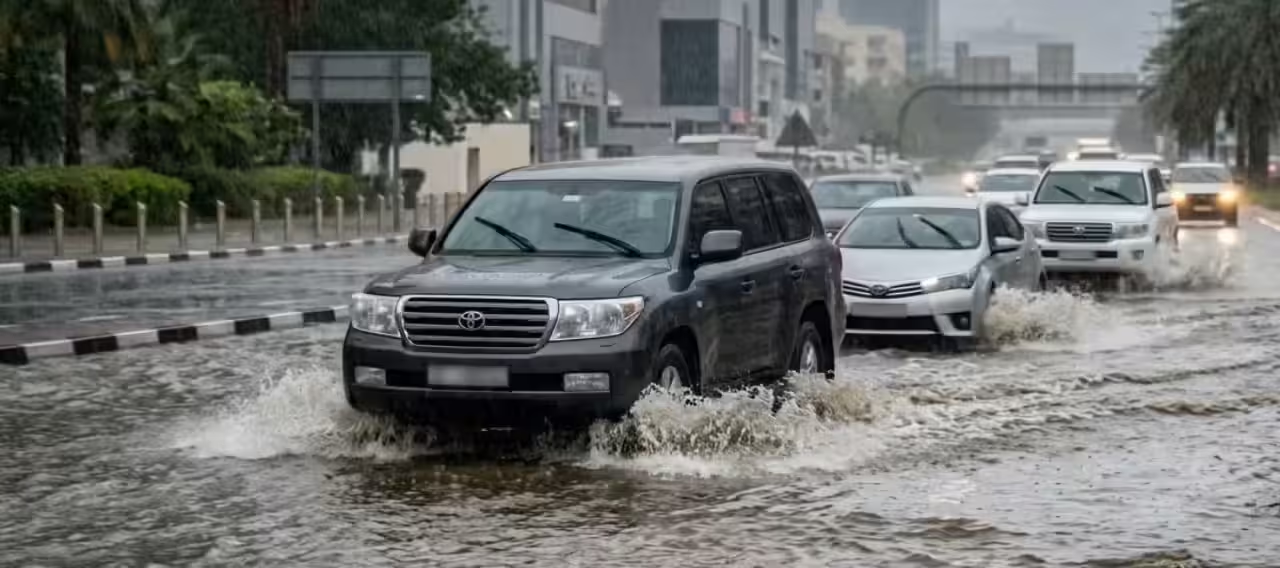
Recent weather conditions across the UAE have brought unexpected heavy rainfall and flooding, disrupting daily life and leaving many vehicles stranded. While the country’s infrastructure is designed to handle such situations, sudden water accumulation on roads can still pose a serious risk to your car. The sight of inundated streets, with numerous vehicles attempting to navigate or even stalled in deep water, as witnessed on major highways, underscores the critical need for preparedness.
Floodwater can cause extensive damage—not just to your car’s exterior, but also to its engine, electrical systems, and interior. That’s why taking the right precautions before, during, and after a flood is essential to avoid costly repairs. In this comprehensive guide, Automax shares practical tips to help you protect your car from flooding and minimise potential damage, ensuring your vehicle remains safe and operational during challenging weather conditions.
Why Floodwater Is Dangerous for Your Car
Floodwater is not just water—it often contains debris, dirt, oil, and harmful chemicals. When it enters your vehicle, it can lead to a range of severe and costly issues. Preventing water ingress is the key to keeping your car safe during floods. The primary dangers include:
Precautions to Take Before the Flood
Proactive measures are your best defence against flood damage. Taking these steps before heavy rainfall begins can significantly reduce the risk to your vehicle.
Park on Higher Ground
One of the simplest yet most effective ways to protect your car is to park it in a safe, elevated area. Even a small elevation can make a big difference in preventing water from reaching your vehicle. Look for:
Disconnect the Battery
Modern vehicles rely heavily on electronic systems. If water reaches the battery or wiring, it can cause short circuits and long-term damage. Disconnecting the battery before a flood is a crucial preventive step that:
Ensure All Openings Are Sealed
Before heavy rain begins, double-check that all entry points into your vehicle are tightly closed. A properly sealed vehicle significantly reduces the chances of water entering the cabin and damaging the interior. Pay attention to:
Precautions to Take During the Flood
If you find yourself caught in heavy rainfall and rising water levels, these immediate actions can help mitigate damage and ensure your safety.
Avoid Driving Through Floodwater
The safest option is always to avoid driving through flooded roads. Water depth can be incredibly misleading, and even seemingly shallow water can stall your car or sweep it away. As seen with cars creating significant splashes while navigating inundated city streets, the risk of damage is immediate and high.
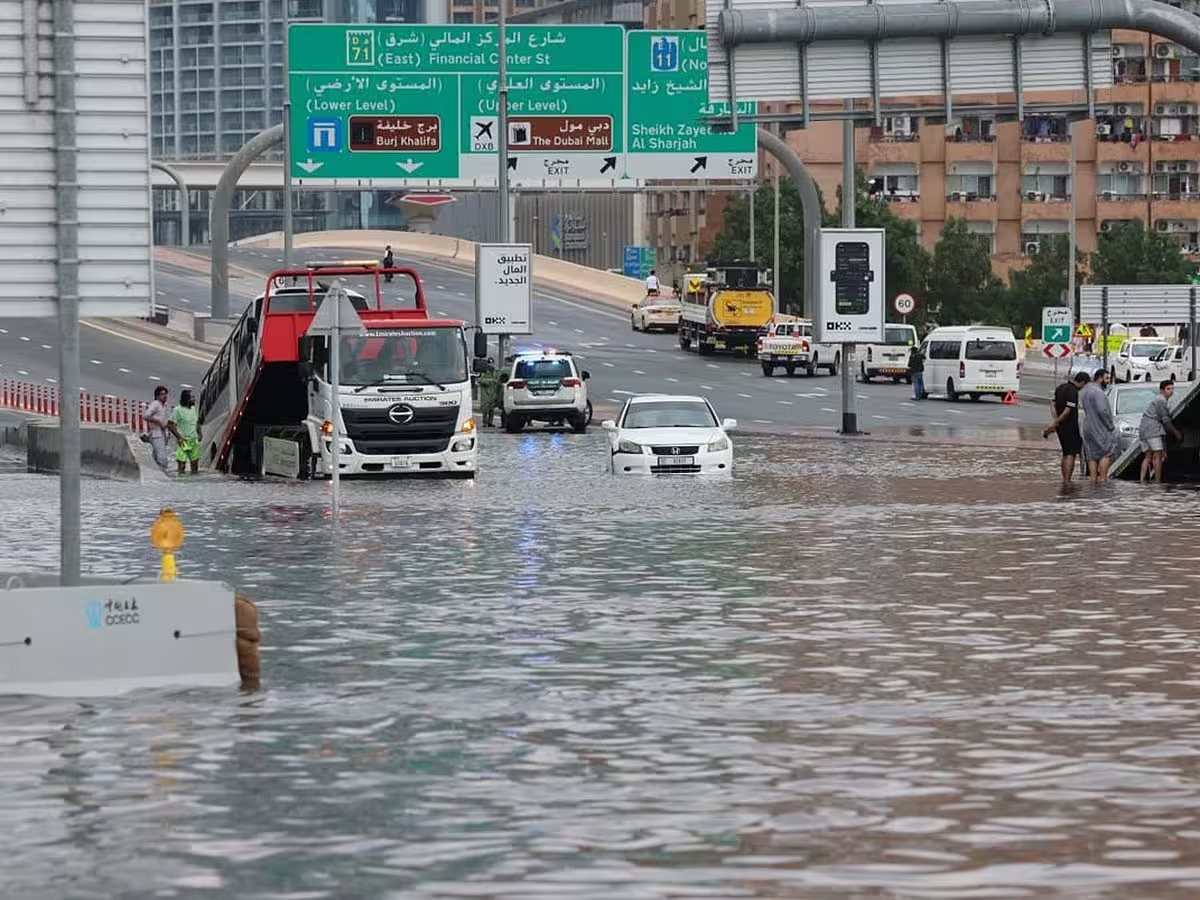
If You Must Drive, Stay on Higher Ground
When driving is absolutely unavoidable, exercise extreme caution. Remember these critical guidelines:
Maintain Steady Engine Revs
If you are driving through unavoidable shallow water, try to maintain steady engine revs. This helps prevent water from entering the exhaust system. If you’re driving a manual car, stay in a low gear and maintain consistent acceleration to create a consistent 'bow wave' in front of your vehicle, pushing water away.
Do Not Restart a Stalled Car
This is perhaps the most critical piece of advice. If your car stops in water, do not, under any circumstances, attempt to restart it. Doing so can pull water into the engine and cause severe, often irreparable damage like hydrolock. Instead:
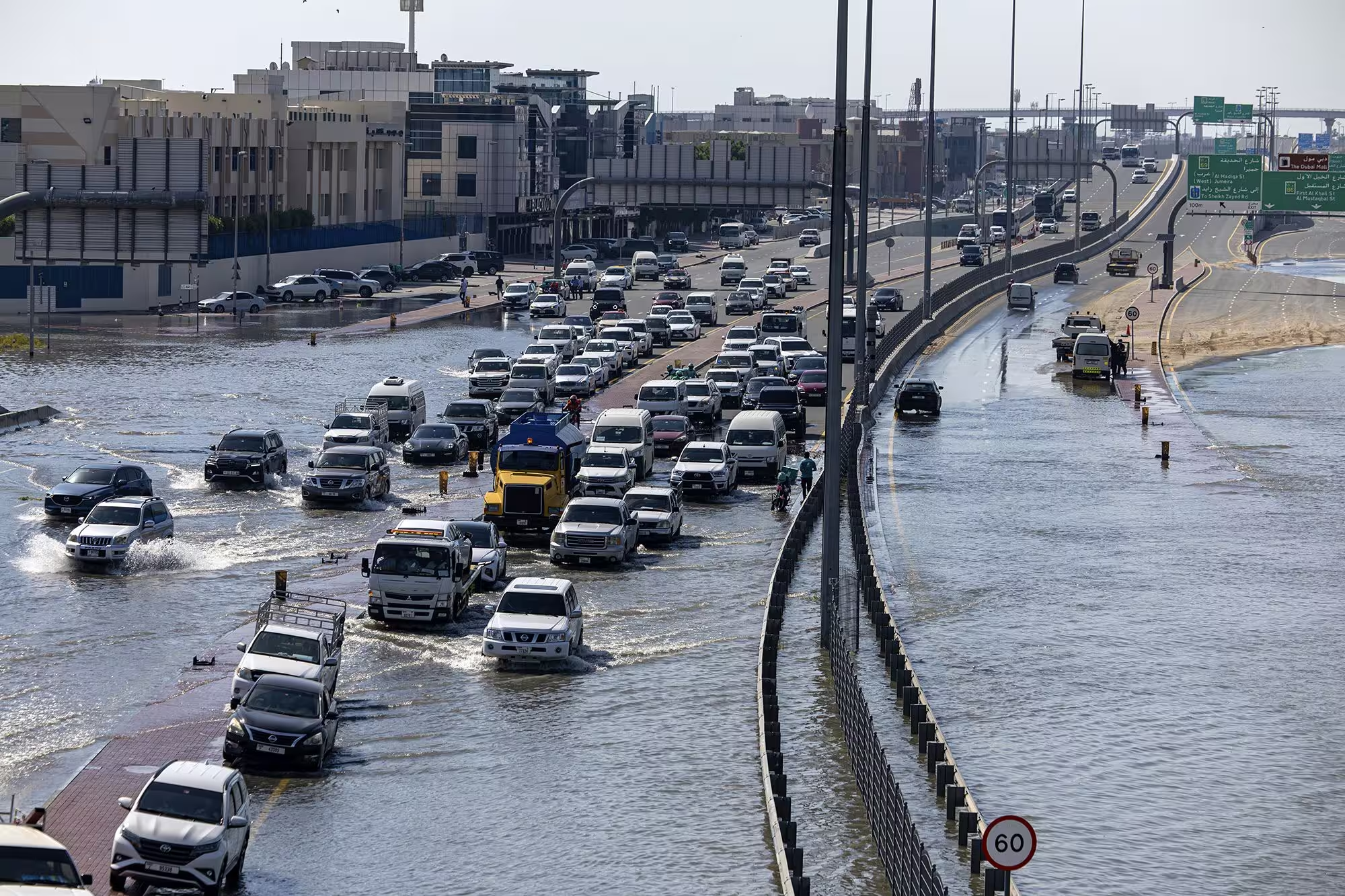
Create a Barrier if Parked
If you cannot move your car to higher ground before a flood, try to create some form of protection:
Precautions to Take After the Flood
Once the floodwaters recede, the immediate danger might be over, but the potential for hidden damage remains. Taking the right steps post-flood is crucial for your car's longevity and your safety.
Dry the Brakes
Wet brakes can significantly reduce stopping power, posing a serious safety risk. After driving through water, drive slowly in a safe, clear area and gently apply the brakes multiple times. This action generates heat, helping to dry out the brake pads and discs.
Replace Fluids and Air Filter
If your car has been exposed to water, especially if it was partially submerged, key fluids may be contaminated. Replacing these—and the air filter—is essential to avoid long-term damage. These include:
Dry the Interior Thoroughly
If water enters the cabin, immediate and thorough drying is vital to prevent mould growth, unpleasant odours, and damage to interior electronics and upholstery. To achieve this:
Inspect for Hidden Damage
Even if your car appears fine on the surface, underlying issues may exist. Water can penetrate hidden cavities and sensitive components. It’s always best to have your vehicle inspected by professional mechanics after any significant water exposure to ensure everything is functioning correctly and safely.
Check Your Insurance Coverage
Flood damage repairs can be incredibly expensive. If you have comprehensive car insurance, it may cover natural disasters like flooding. Always:
FAQs
How can I keep my car safe during floods in the UAE?
Park in elevated areas, disconnect the battery, and ensure all doors and windows are sealed to prevent water entry.
Can driving through water damage my engine?
Yes. Driving through floodwater can cause water to enter the engine, leading to hydrolock and severe internal damage.
Can a car float in floodwater?
Yes. Surprisingly, as little as 30 cm (around 1 foot) of water can cause a vehicle to float and lose control.
Final Thoughts
Flooding in the UAE may be temporary, but the damage it can cause to your vehicle can be long-lasting and financially burdensome. Taking preventive measures and acting quickly during and after a flood can save you from costly repairs and significant safety risks. Your preparedness is the best defence against the unpredictable nature of heavy rainfall.
If your vehicle suffers severe damage or you’re considering an upgrade after experiencing the challenges of recent weather, explore the latest models available at Automax. Investing in a new, reliable vehicle ensures peace of mind—no matter the weather conditions. Stay safe, and keep following the Automax blog for more expert automotive tips and updates to keep you and your vehicle secure on the roads of the UAE.