Essential Car Maintenance Tips Every Driver Should Know
By Adam Chehayeb
Unlock the secrets to vehicle longevity and safety with these crucial car maintenance tips, covering everything from oil changes to tire care and brake performance.
Introduction
Regular car maintenance is essential for keeping your vehicle running smoothly, improving safety, and extending its lifespan. Many drivers overlook simple maintenance tasks until a serious problem occurs, which can lead to costly repairs and unexpected breakdowns. Adopting a proactive approach to car care is paramount for peace of mind on the road.
Taking care of your vehicle with routine inspections and preventive maintenance can help ensure better performance and reliability. Automotive experts emphasize that staying informed about maintenance practices is key to keeping a vehicle in good condition as technology and vehicle systems continue to evolve. Understanding these fundamental practices empowers drivers to make informed decisions about their vehicle's health.
By following a few simple maintenance habits, drivers can keep their cars performing efficiently while avoiding expensive repairs. These habits form the foundation of responsible vehicle ownership and contribute significantly to overall road safety and the preservation of your automotive investment.
Regular Oil Changes
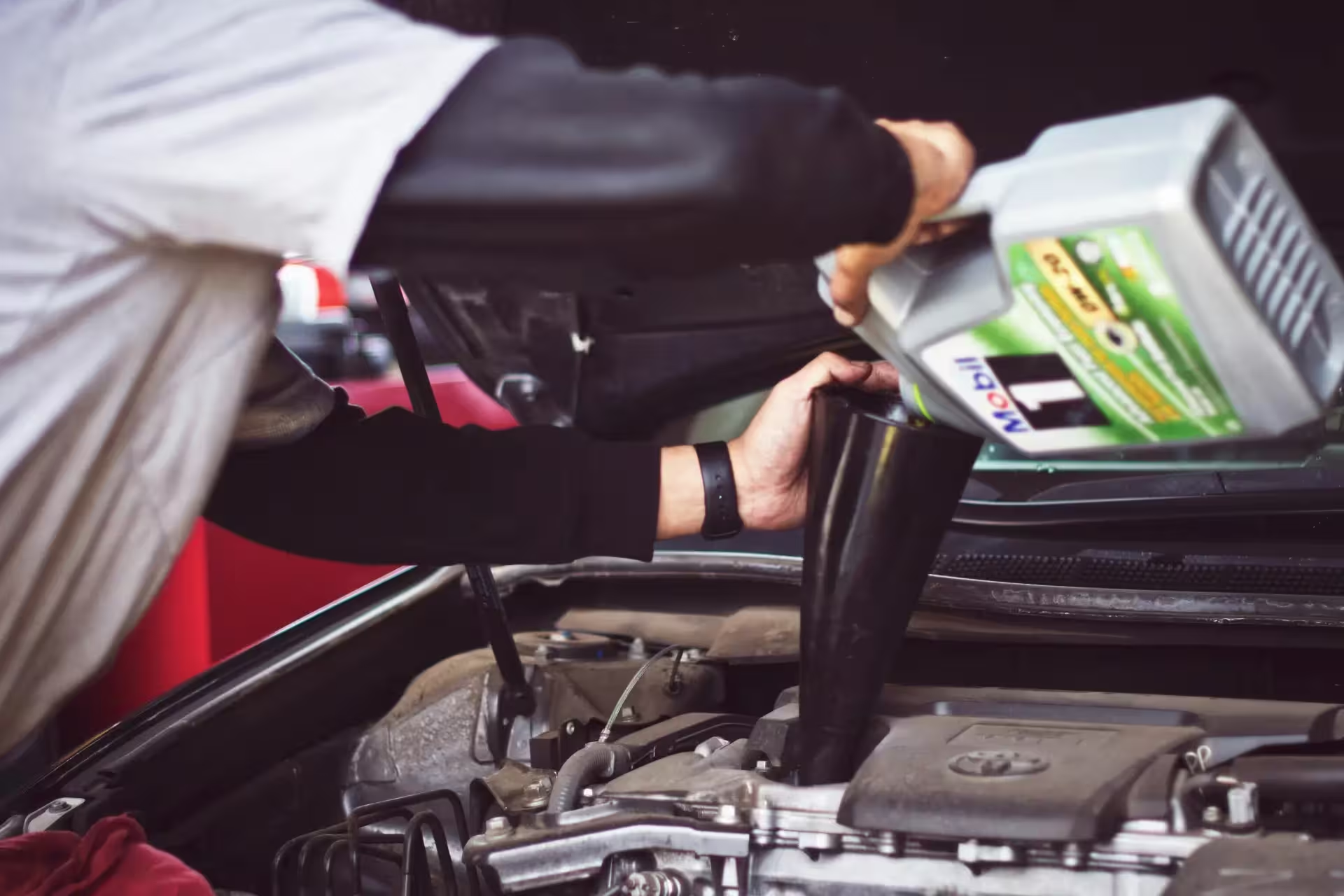
One of the most important maintenance tasks for any vehicle is changing the engine oil regularly. Engine oil lubricates moving parts, reduces friction, and prevents excessive wear inside the engine. This vital fluid acts as the lifeblood of your vehicle's powertrain, protecting critical components from heat and abrasion.
Over time, oil becomes contaminated with dirt and debris, reducing its effectiveness. This degradation diminishes its lubricating properties and its ability to dissipate heat. When oil is not changed regularly, it can cause engine damage, lead to a build-up of sludge, and significantly reduce overall performance and efficiency. It's a simple, yet critical, step in preserving your engine.
Most vehicles require an oil change every 5,000 to 10,000 kilometers, depending on the type of oil used (conventional, synthetic blend, or full synthetic) and the manufacturer’s specific recommendations outlined in your owner's manual. Adhering to this schedule is paramount.
Benefits of regular oil changes include:
Keeping up with oil changes is one of the easiest and most impactful ways to maintain your car’s health and safeguard its most expensive component, the engine.
Check Your Tires Regularly
Tires play a crucial role in vehicle safety, handling, and fuel efficiency. They are the sole point of contact between your vehicle and the road, making their condition vital for responsive steering, effective braking, and overall stability. Properly maintained tires provide better traction and improve overall driving stability, especially in adverse weather conditions.
Drivers should regularly check tire pressure and ensure that tires are inflated according to the manufacturer’s recommended levels, which can typically be found on a sticker inside the driver’s side door jamb or in the owner’s manual. Underinflated tires can lead to uneven wear, increased rolling resistance, and reduced fuel efficiency, while overinflated tires may affect handling, ride comfort, and increase susceptibility to damage from road hazards.
Important tire maintenance practices include:
Maintaining tires properly can significantly improve safety, enhance vehicle performance, and extend tire lifespan, ultimately saving you money and preventing potential hazards.
Replace Air Filters
The engine air filter plays an important role in maintaining engine efficiency. It acts as a barrier, preventing dirt, dust, pollen, and other airborne debris from entering the engine’s combustion chambers while ensuring a consistent and proper airflow. A clean air filter is essential for the engine to 'breathe' efficiently.
A clogged air filter can severely restrict airflow to the engine, which in turn reduces engine performance and negatively affects fuel economy. When the engine struggles to draw in air, it may compensate by using more fuel, leading to higher consumption and reduced power output. Replacing the air filter periodically allows the engine to operate more efficiently, restoring optimal air-fuel mixture.
Signs that your air filter may need replacement include:
Replacing the air filter is a relatively simple and inexpensive maintenance task that can make a noticeable difference in engine performance, fuel economy, and overall longevity. It's often a DIY task that yields immediate benefits.
Monitor Brake Performance
Brakes are one of the most critical safety components in any vehicle. Their ability to respond promptly and effectively is paramount for preventing accidents and ensuring the safety of occupants and others on the road. Drivers should always pay attention to how their brakes feel and respond while driving, as subtle changes can indicate impending issues.
If you notice unusual noises, vibrations, or reduced braking performance, it may be time to inspect the brake pads, rotors, calipers, or the entire brake system. Ignoring these warning signs can lead to complete brake failure, putting you and others at severe risk. Prompt attention to brake issues is non-negotiable.
Common signs of brake issues include:
Regular brake inspections by a qualified technician help ensure your vehicle remains safe to drive and that all components are functioning optimally. Timely maintenance of your braking system is an investment in your safety.
Keep Your Battery in Good Condition
A healthy battery is essential for starting your vehicle and powering many of its electrical systems, from lights and radio to onboard computers. Without a reliable battery, your vehicle simply won't start, leaving you stranded. Over time, batteries lose their ability to hold a charge, especially when exposed to extreme temperatures, both hot and cold, which accelerate degradation.
Drivers should periodically check battery terminals for corrosion, which appears as a powdery blue or white substance, and ensure connections are secure. Loose or corroded terminals can impede electrical flow, leading to starting problems or reduced power to accessories. Cleaning terminals and ensuring tight connections can significantly extend battery life and reliability.
Typical car batteries last three to five years, depending on usage patterns, climate, and environmental conditions. Beyond this lifespan, even a seemingly functional battery may suddenly fail without warning. Proactive monitoring can prevent unexpected breakdowns.
Battery maintenance tips include:
Maintaining the battery can prevent unexpected starting issues, especially during critical moments, and ensures your vehicle's electrical system operates without interruption.
Follow Your Vehicle’s Service Schedule
Every vehicle manufacturer provides a recommended service schedule designed to keep the vehicle operating properly and safely. This schedule is meticulously developed based on extensive testing and engineering to ensure that essential components are inspected, serviced, and replaced at the correct intervals, preventing premature wear and system failures.
Following this schedule ensures that critical fluid levels are maintained, filters are clean, and major systems are checked for wear and tear. Adhering to the manufacturer's guidelines is not only crucial for performance and reliability but also often a requirement to maintain your vehicle's warranty. Regular service appointments may include a variety of checks and replacements, tailored to your vehicle's specific needs at different mileage milestones.
Routine service appointments may include:
Following the manufacturer’s maintenance schedule helps prevent mechanical issues, maintains the vehicle’s resale value, and ultimately keeps the vehicle performing at its best, providing a safer and more enjoyable driving experience.
Conclusion
Proper vehicle maintenance is essential for safety, performance, and reliability. By staying consistent with routine checks such as oil changes, tire inspections, and brake maintenance, drivers can avoid many common problems and significantly extend the lifespan of their vehicles. These simple yet crucial tasks form the bedrock of responsible car ownership.
Regular maintenance not only helps prevent costly repairs that often arise from neglect but also ensures that your vehicle remains safe and efficient on the road. A well-maintained car is a predictable car, reducing the likelihood of unexpected breakdowns and increasing your confidence behind the wheel.
Taking a proactive approach to car care is one of the best ways to protect your investment and enjoy a smooth, reliable, and safe driving experience for years to come. Prioritize these essential maintenance tips to keep your vehicle in prime condition.