Crossover vs. SUV: Decoding the Differences for UAE Drivers
By Adam Chehayeb
Navigating UAE roads or desert dunes? Understanding the core differences between a crossover and a traditional SUV is key to choosing your next vehicle.
Introduction
In the UAE, driving needs can change fast. One minute you’re navigating Sheikh Zayed Road traffic, the next you’re headed for a weekend escape into the dunes. That’s why understanding the real difference between a crossover and a traditional SUV matters before choosing your next car. Both sit higher than sedans, both offer more space, and both handle family life or adventure better than most body styles. But under the skin, they’re built differently and that changes how they drive, how much fuel they use, and how capable they are off-road. At Automax®, we help drivers find the right fit for city comfort, family practicality, or desert-ready strength. Let’s break it down clearly.
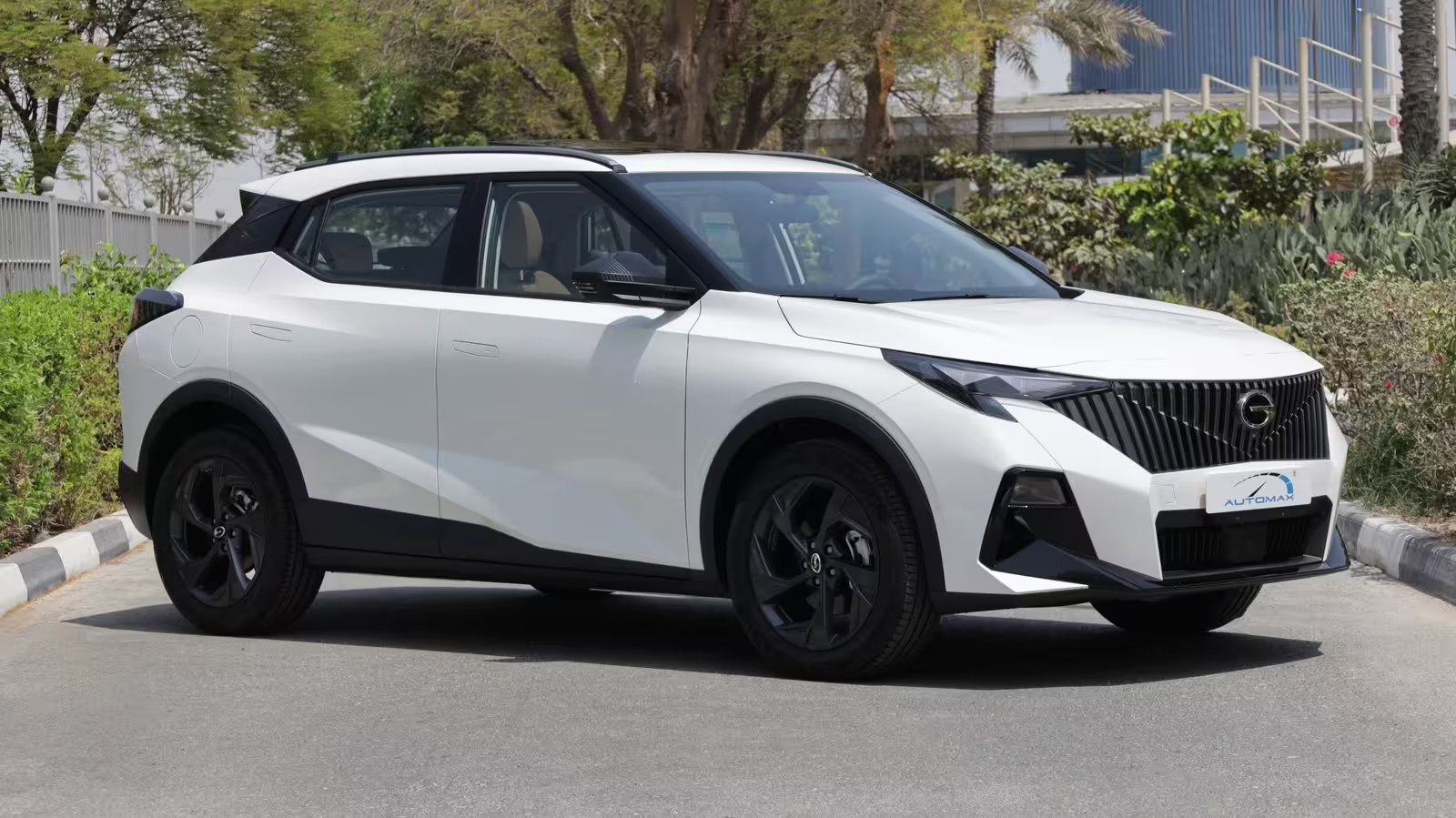
Crossover vs. SUV: A Quick Comparison
While both vehicle types offer elevated driving positions and increased utility, their underlying engineering dictates their performance across various driving scenarios. Here’s a snapshot of how they stack up:
Platform & Construction: The Core Difference
Crossovers = Unibody Construction
A crossover (sometimes called a CUV) is built using unibody construction, meaning the body and frame are a single integrated structure. This is the same basic architecture used by most passenger cars. The result is a lighter, more streamlined vehicle that feels smooth and controlled on paved roads. In real-world UAE driving, that translates into easier handling in urban traffic, more stable highway cruising, and better fuel economy due to reduced weight.
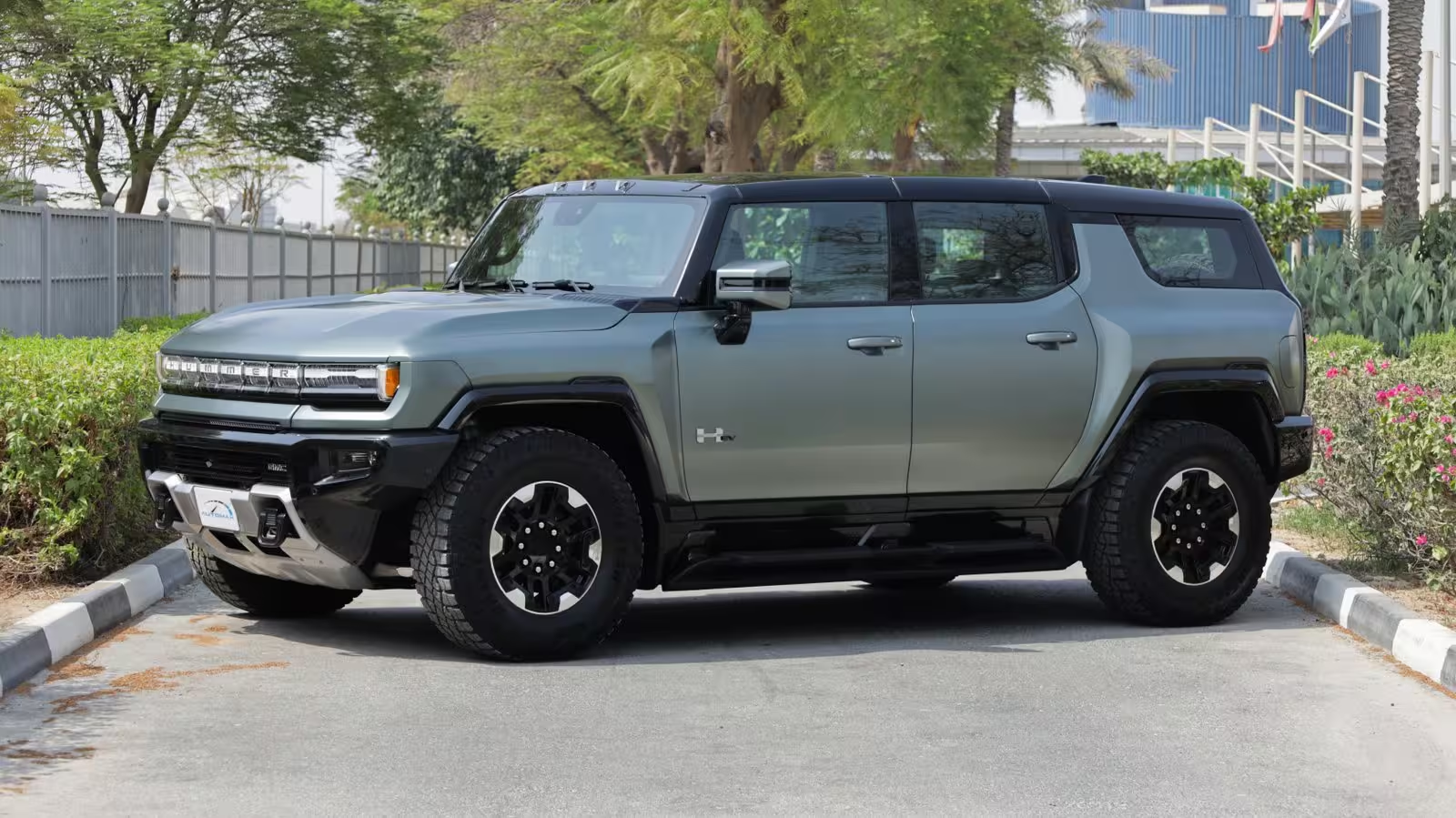
SUVs = Body-on-Frame Construction
A traditional SUV uses body-on-frame construction, where the vehicle body sits on top of a separate ladder-style frame (similar to trucks). This structure is heavier but far tougher under stress, especially when towing or driving off-road. That strength matters for high-load driving, deeper sand and rocky terrain, and heavier towing needs.
Drivetrain & Capability
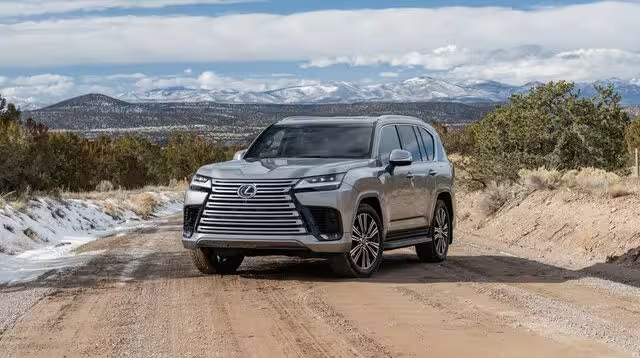
Most crossovers are designed primarily for daily road use, so they commonly come with front-wheel drive (FWD) or all-wheel drive (AWD). AWD helps with traction on sand patches, gravel roads, and rainy highways but isn’t the same as true off-road 4WD systems. Traditional SUVs more often offer proper 4WD systems, low-range gearing, stronger differentials, and higher ground clearance – the things that matter when tackling deep dunes, steep mountain climbs, and remote desert trails. So if your UAE weekends involve serious off-road routes, a classic SUV stays the better tool for the job.
Performance, Power & Towing
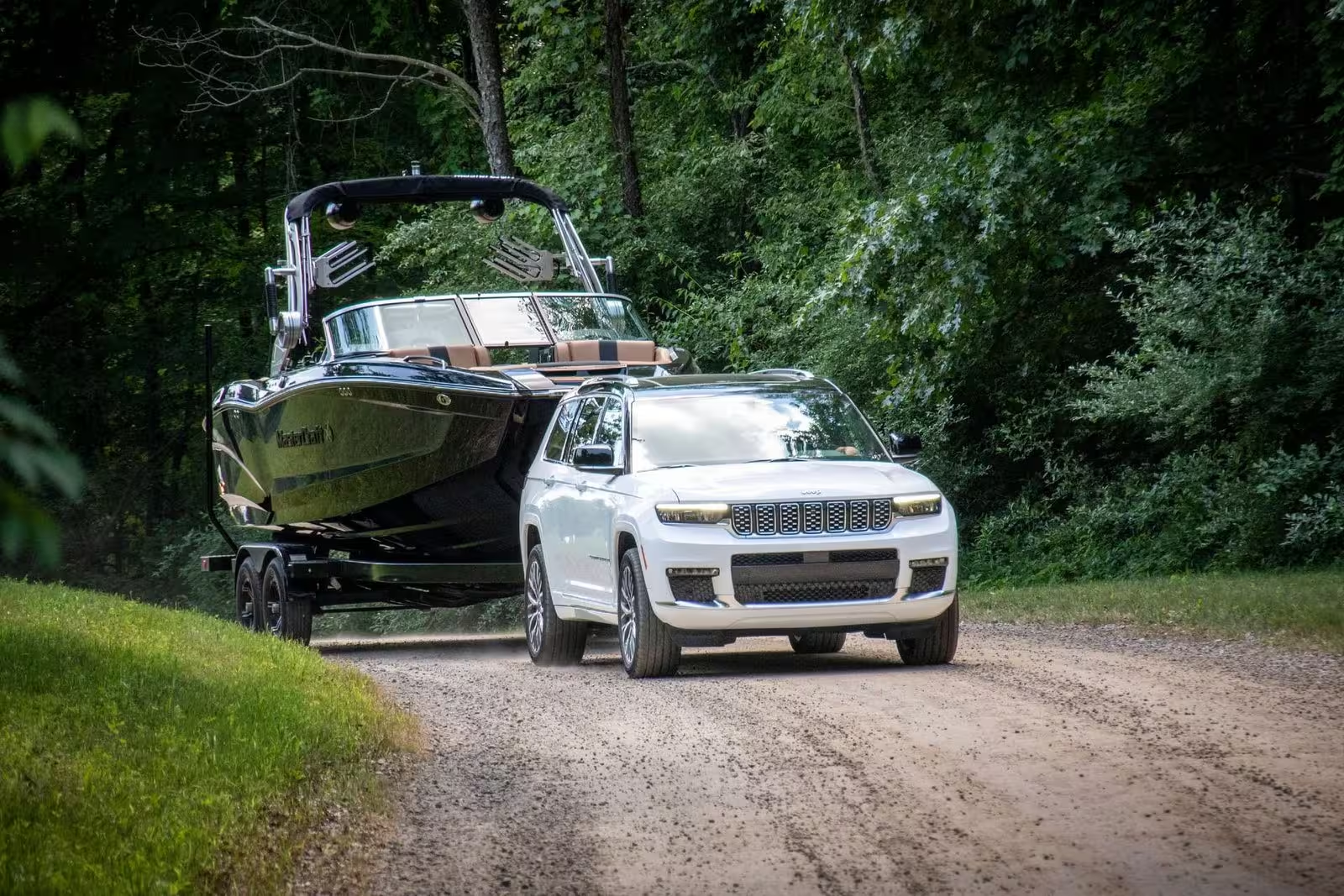
Crossovers usually run smaller 4-cylinder or turbocharged engines. Because they’re lighter and more aerodynamic, they don’t need big engines to feel responsive. Towing capacity is decent for everyday needs, like small utility trailers, jet skis, or lightweight camping gear, but they aren’t built for heavy hauling. Body-on-frame SUVs tend to offer V6 or V8 engines and stronger cooling, suspension, and chassis systems. That makes them ideal for towing boats or caravans, carrying heavy loads, and long desert drives with gear. Their frames simply handle strain better.
Size, Space & Practical Comfort
Crossovers are often more compact externally but are cleverly packaged inside. Most seat five comfortably and offer flexible cargo space perfect for couples, small families, daily errands, and airport runs, making them ideal for city parking in Dubai, Sharjah, or Abu Dhabi. SUVs are typically larger, and many provide three rows seating 7–8 passengers with bigger cargo capacity for long trips or large families. If space is your top priority, SUVs usually win.
Fuel Efficiency & Daily Driving
Because crossovers are lighter and unibody-built, they generally consume less fuel than traditional SUVs. That matters in UAE conditions where stop-and-go traffic and long highway stretches can quickly add up in running costs. SUVs, especially larger V6/V8 models, burn more fuel due to heavier frames, bigger engines, and off-road hardware. So for mostly city driving, crossovers are the smarter long-term pick.
Off-Roading in UAE Terrain
Crossovers handle light adventure well. Their AWD systems and moderate clearance are enough for casual off-road weekends, such as gravel tracks, packed sand trails, and camping routes. But for serious dunes or rocky desert trails, SUVs dominate because they offer higher ground clearance, low-range 4WD, tougher chassis durability, and better suspension articulation.

Which One Fits Your Lifestyle?
Choosing comes down to how and where you drive most. If your routine is mostly city commutes, school runs, shopping trips, and highway cruising, a crossover is usually the ideal match. It delivers comfort, easier parking, and better fuel savings. If your lifestyle involves frequent desert driving, heavy towing, or larger family travel, a traditional SUV offers the durability and power you’ll appreciate long-term.
Find Your Perfect Match at Automax®
Whether you’re leaning toward a sleek crossover for daily UAE driving or a rugged SUV for weekend adventures, Automax® has options to match your needs. Explore our latest lineup and let our team help you choose a vehicle that fits your budget, lifestyle, and driving terrain from city streets to open sands.