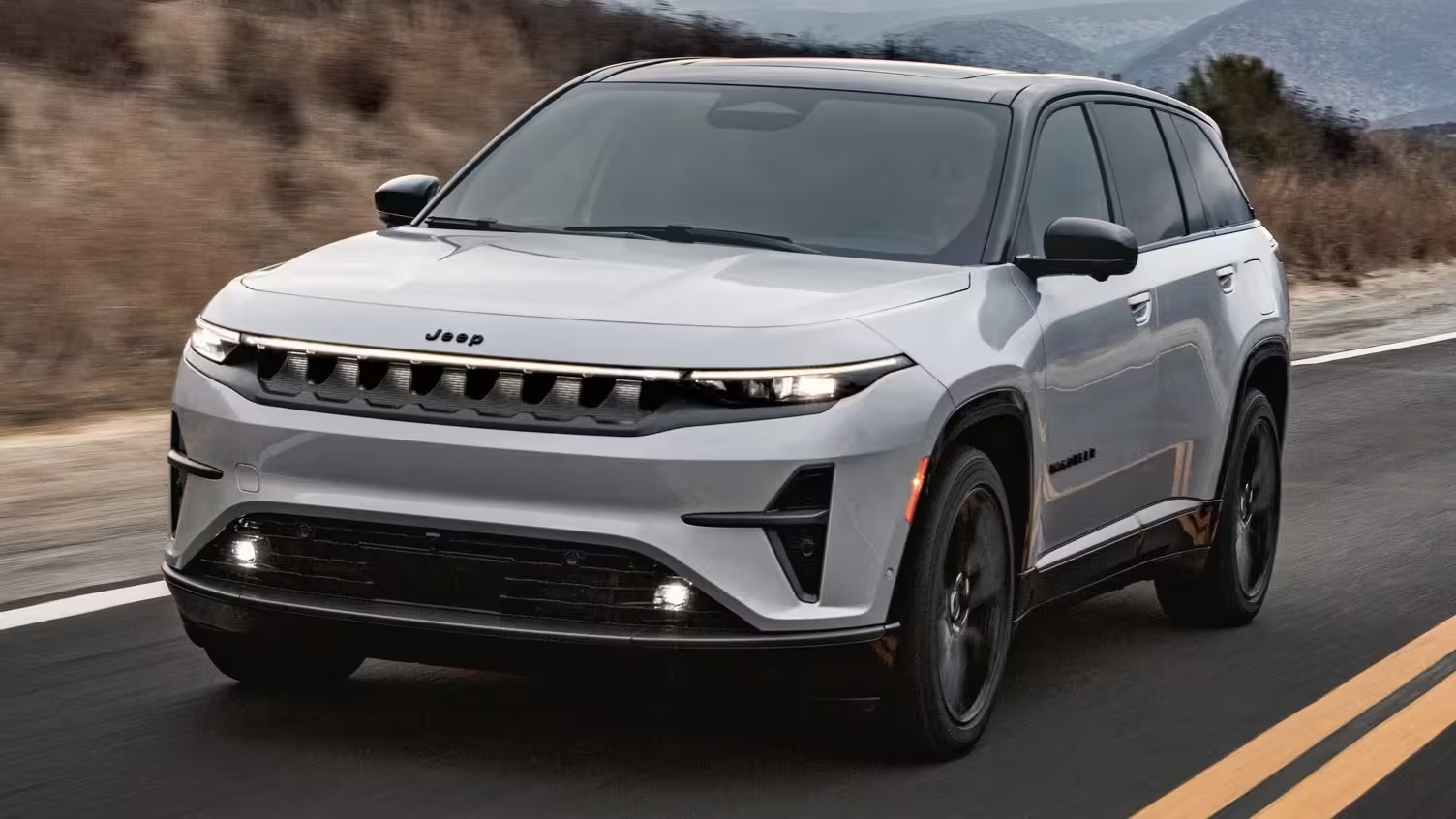
Jeep's Strategic Pause: Why the Electric Wagoneer S is Delayed Until 2027
By Adam Chehayeb
Jeep's decision to delay the all-electric Wagoneer S for the 2026 model year is a calculated strategic shift, reflecting market demand changes, production challenges, and a renewed focus on hybrid models like the Cherokee.
Introduction: A Strategic Pause, Not a Setback
The automotive industry is in a constant state of evolution, adapting to technological advancements, regulatory changes, and most importantly, shifting consumer preferences. Against this dynamic backdrop, Jeep’s recent decision to pause production of its highly anticipated all-electric Wagoneer S for the 2026 model year has understandably generated considerable discussion. While some might view this as a setback for the brand's electrification strategy, a deeper analysis reveals it to be a calculated, strategic adjustment. This move reflects a broader industry trend where manufacturers are re-evaluating their priorities, navigating production complexities, and aligning future offerings more closely with current market realities.
Rather than pushing forward with aggressive electrification timelines in an uncertain market, Jeep is demonstrating a pragmatic approach. By reassessing its strategy, the brand aims to optimize its product pipeline and focus resources on models that resonate most strongly with today's buyers, ensuring a more stable and sustainable path forward. This pause is less about abandoning electric ambitions and more about refining the execution to meet both consumer needs and operational efficiencies.
Slowing Demand for Electric SUVs: A Market Reality Check
The initial unveiling of the Wagoneer S generated significant excitement, leading to strong early sales figures following its launch. This early momentum hinted at a robust demand for premium electric SUVs. However, that initial surge proved to be unsustainable. After a solid start in 2025, demand for the Wagoneer S slowed significantly as the market transitioned into 2026. Sales experienced a sharp decline in the subsequent months, highlighting a critical disparity between initial consumer enthusiasm and sustained purchasing interest.
This trend is not isolated to the Wagoneer S but reflects a broader reality within the current electric vehicle (EV) market. While the overall popularity of EVs continues its upward trajectory, a significant segment of potential buyers remains hesitant to fully commit to an all-electric transition. These reservations often stem from practical concerns such as the perceived limitations of public charging infrastructure, anxieties surrounding vehicle range on longer journeys (known as 'range anxiety'), and general usability in diverse daily life scenarios. Consequently, fully electric models, particularly in specific segments, are experiencing slower adoption rates than initially projected by many manufacturers.
Hybrid Models Are Gaining More Attention
In stark contrast to the challenges faced by some all-electric models, hybrid vehicles are experiencing a surge in appeal. Hybrids offer a compelling middle-ground solution, providing improved fuel efficiency and reduced emissions without demanding radical changes to a buyer’s lifestyle. Owners of hybrid vehicles do not typically need to install dedicated home chargers or exclusively rely on public charging networks, which often alleviates many of the practical concerns associated with full EV ownership.
This notable shift in consumer preference towards hybrid powertrains is a pivotal factor in Jeep’s strategic reorientation. Recognizing this market signal, Jeep is wisely redirecting its focus and resources toward developing and promoting vehicles that better align with this growing demand. This strategic pivot underscores a responsive approach to market dynamics, prioritizing solutions that offer immediate and tangible benefits to a wider range of customers.
The Importance of the New Jeep Cherokee
The upcoming next-generation Jeep Cherokee is strategically positioned to become a cornerstone of the brand’s future lineup. Unlike the all-electric Wagoneer S, the new Cherokee is slated to offer a hybrid powertrain. This configuration provides the best of both worlds: enhanced fuel efficiency and reduced environmental impact, coupled with the enduring convenience and flexibility of a traditional internal combustion engine. This makes it an attractive option for consumers seeking efficiency without the full commitment to an EV lifestyle.
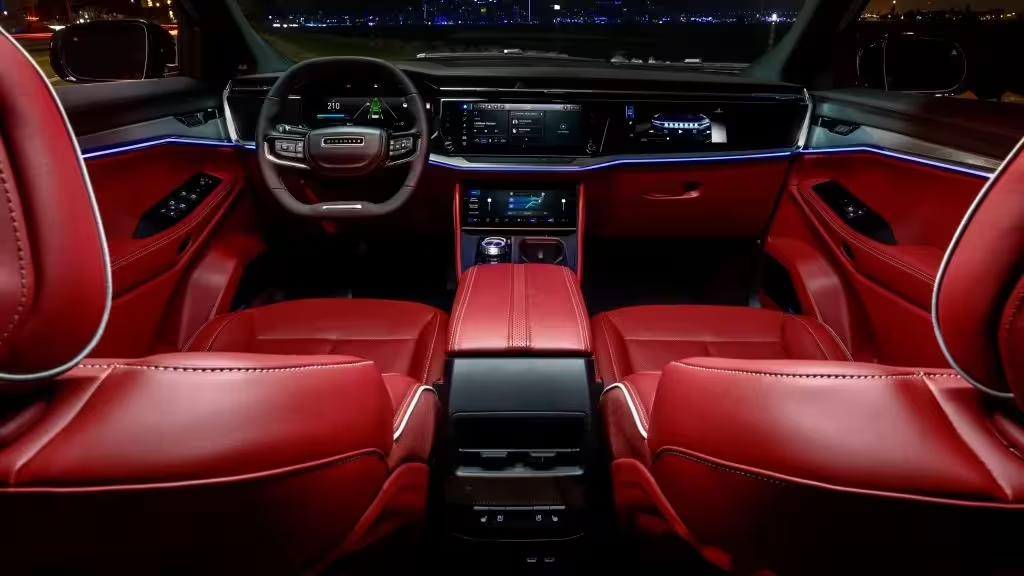
More critically, the Cherokee has historically been a high-volume model for Jeep. Its broad market appeal ensures consistent demand and plays an indispensable role in supporting dealership operations, driving sales, and maintaining brand visibility. By prioritizing a vehicle with such strong and established market appeal, Jeep can effectively stabilize its sales performance and optimize the allocation of its valuable production resources. This focus on a proven, high-demand model like the Cherokee allows Jeep to build a robust foundation while simultaneously refining its broader electrification strategy.
Production Challenges Behind the Scenes
Beyond market demand, another significant factor influencing Jeep’s decision to delay the Wagoneer S relates directly to manufacturing complexities. Jeep operates several key production facilities, including its Toluca Assembly Plant in Mexico. This facility is responsible for producing multiple critical models that often share components, suppliers, and finite production capacity. Such interdependencies mean that any disruption within the supply chain can have a cascading effect, impacting several vehicle lines simultaneously.
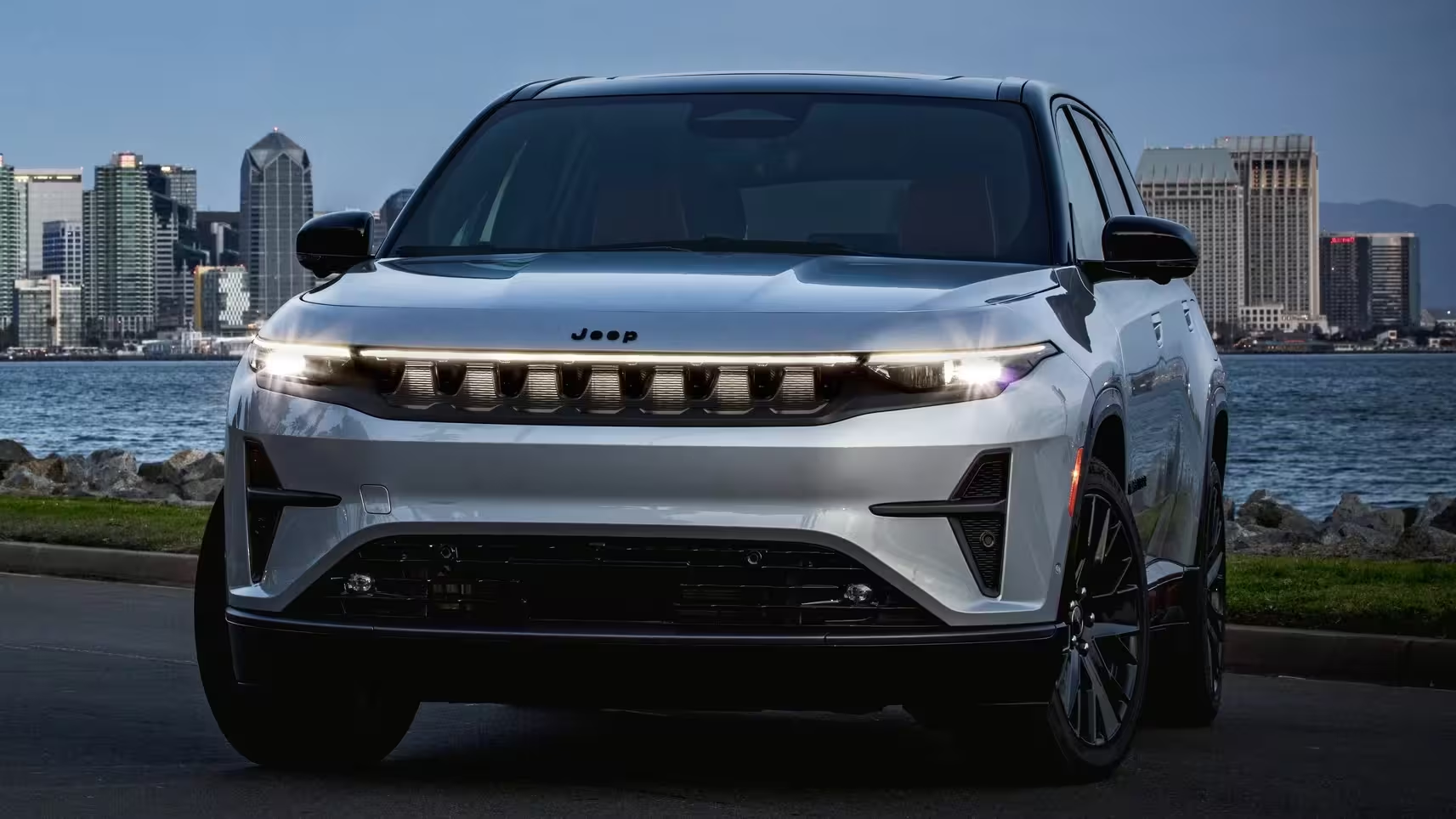
Recently, a specific supplier issue involving critical suspension components led to unavoidable production delays at the Toluca facility. This incident serves as a stark reminder of the inherent sensitivities and interconnectedness of modern automotive supply chains. Rather than attempting to push forward with limited or compromised resources, Jeep has leveraged this moment to strategically optimize its production schedule. By prioritizing its most important and high-demand vehicles, the brand can ensure a more efficient and less disruptive manufacturing process, ultimately benefiting both its operational stability and customer satisfaction.
A Strategic Pause, Not a Cancellation
It is crucial for consumers and industry observers alike to understand that the Wagoneer S is emphatically not being discontinued. The pause in its production for the 2026 model year is a temporary measure, a strategic recalibration with the clear expectation that the model will return for the 2027 model year. This temporary hiatus provides Jeep with an invaluable opportunity to refine the vehicle's design, engineering, and overall market positioning.
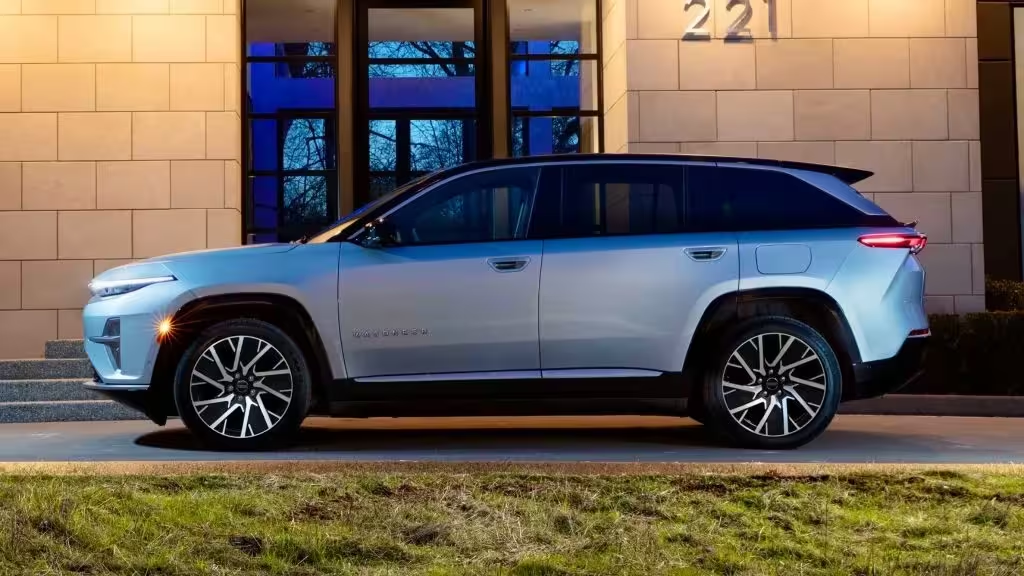
During this period, Jeep can dedicate resources to enhancing the vehicle's competitiveness, potentially integrating new technologies, and ensuring it is even better aligned with evolving market expectations and consumer desires. This proactive approach to refinement is a hallmark of responsible product development, ensuring that when the Wagoneer S does re-enter the market, it will do so with a stronger, more compelling proposition.
Global Strategy Still Moving Forward
Despite the temporary pause in, the Wagoneer S remains an integral component of Jeep’s long-term global electrification strategy. In numerous international markets, particularly across Europe, increasingly stringent emissions regulations are significantly accelerating the transition toward electric vehicles. These regulatory pressures create a strong impetus for automakers to introduce robust EV offerings.
Jeep is strategically positioning the Wagoneer S as a premium global product, designed to meet these rigorous international requirements while simultaneously delivering the brand's signature blend of sophisticated performance and distinctive design. This broader, global perspective ensures that the Wagoneer S continues to play a vital role in Jeep’s electrification ambitions, extending its relevance and impact far beyond the confines of the North American market.
What to Expect When It Returns
When the Wagoneer S makes its anticipated comeback for the 2027 model year, it is expected to arrive with meaningful upgrades and enhancements. One of the most critical improvements will likely be significantly enhanced charging compatibility. This would enable easier and more reliable access to a wider array of fast-charging networks, directly addressing one of the most significant concerns for prospective EV buyers today.
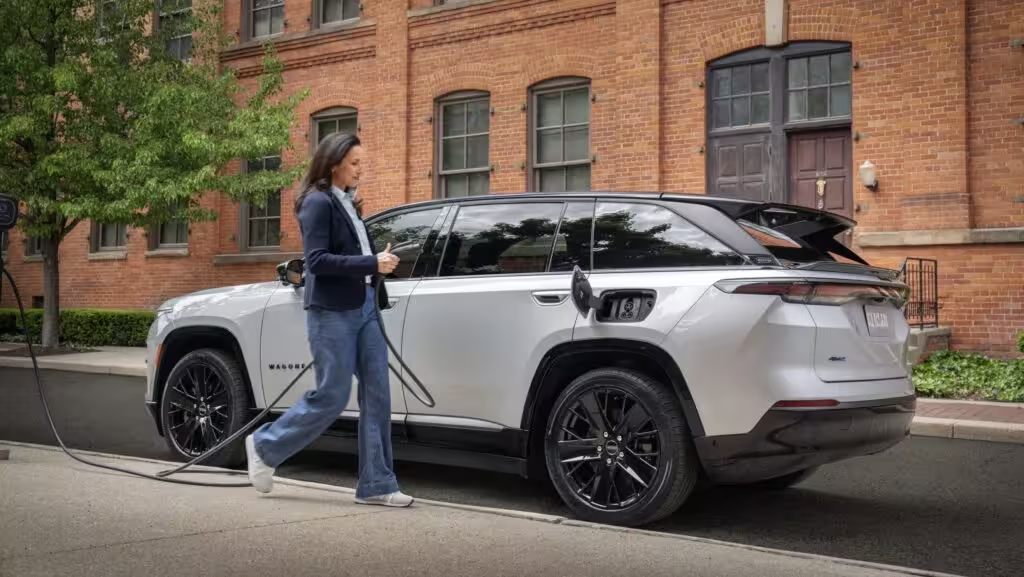
Furthermore, by the time the Wagoneer S relaunches, the overall EV ecosystem is projected to have matured considerably. This includes expanded charging infrastructure, improved battery technology, and increased consumer familiarity with electric vehicle ownership. These broader improvements will collectively make the electric ownership experience more practical, convenient, and ultimately, more appealing to a larger segment of the market.
Final Thoughts: Flexibility and Practicality Define the Future
Jeep’s decision to temporarily pause the Wagoneer S for the 2026 model year should not be misconstrued as a step backward in its commitment to electrification. Instead, it represents a highly strategic and pragmatic adjustment, meticulously informed by real-world market conditions and operational considerations. The confluence of changing consumer preferences, particularly the strong resurgence of interest in hybrid vehicles, ongoing production constraints, and the imperative to optimize manufacturing resources, is profoundly shaping how leading automakers plan and execute their future product lineups.
By strategically shifting its immediate focus toward high-demand, high-volume models like the next-generation hybrid Cherokee, while simultaneously refining its long-term electric vehicle strategy, Jeep is meticulously positioning itself for more robust and sustained success in the evolving automotive landscape. For car buyers, this pivotal shift within the industry highlights a crucial trend: flexibility, practicality, and responsiveness to immediate consumer needs are becoming just as paramount as groundbreaking innovation in defining the vehicles of tomorrow.