2027 Jeep Grand Cherokee Trailhawk: Returning to Its Rugged Gas-Powered Roots
By Adam Chehayeb
Jeep reintroduces the Grand Cherokee Trailhawk for 2027, shedding hybrid complexity for pure, gas-powered off-road capability. Discover its return to simplicity.
Introduction: The Grand Cherokee Trailhawk's Return to Form
Jeep is poised to reignite the passion of off-road enthusiasts with the highly anticipated 2027 Grand Cherokee Trailhawk. This isn't merely the return of a respected nameplate; it signals a deliberate shift in direction, moving away from electrified complexity and embracing the core tenets of rugged, gas-powered performance that initially forged Jeep's legendary reputation. For many, this reintroduction represents more than just a new model year—it embodies a strategic correction, realigning the Trailhawk badge with its original promise of uncompromised capability.
Moving Away From the Hybrid Experiment
In recent years, the Trailhawk badge found itself predominantly within Jeep's electrified lineup, primarily in plug-in hybrid (PHEV) configurations. While these setups offered impressive torque figures and enhanced efficiency on paper, they didn't always fully resonate with the traditional off-road buyer. The added complexity and higher cost associated with these hybrid systems inadvertently created a disconnect between the vehicle and its core audience, who prioritize straightforward, robust performance on challenging terrains.
With the 2027 model, Jeep is simplifying the formula. By stepping away from the hybrid-only approach, the brand is making the Trailhawk more accessible while emphatically restoring its original identity. This strategic pivot ensures that the Trailhawk badge once again stands for capability first, without the perceived compromises of electrification that some traditionalists felt.
Built With Capability at Its Core
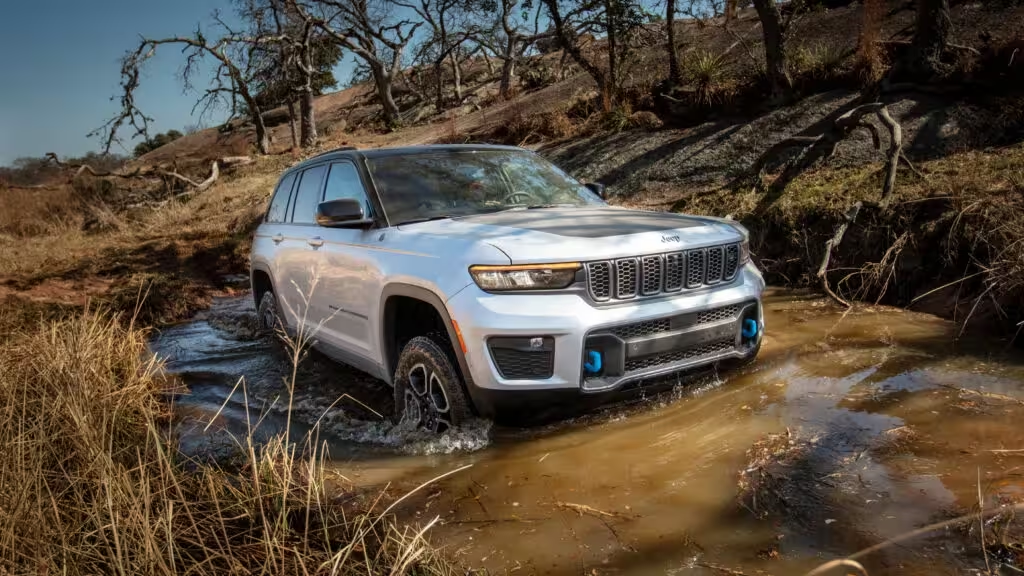
The Trailhawk has always been synonymous with exceptional off-road performance, and this foundational focus remains paramount for the 2027 iteration. Jeep is once again positioning it as the most trail-capable version of the Grand Cherokee, meticulously engineered to conquer serious terrain directly from the factory floor. This commitment is evident in its advanced four-wheel-drive systems, intelligent traction management, and adjustable suspension, all designed to provide the flexibility required in the most challenging conditions.
Whether navigating uneven surfaces, traversing deep ruts, or climbing over formidable obstacles, the Trailhawk is engineered to maintain superior control where it matters most. What truly sets it apart from standard SUVs is the seamless operation of these integrated systems. Rather than demanding constant driver intervention, the vehicle intuitively adapts in real time, empowering drivers to concentrate on the path ahead rather than the intricate mechanics beneath them.
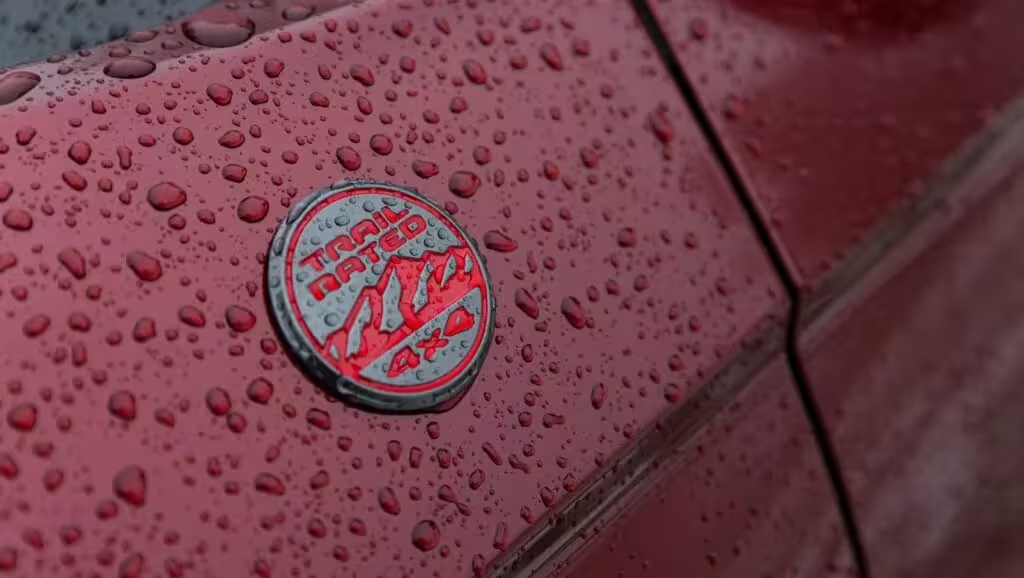
Purpose-Driven Design Inside and Out
Every aspect of the 2027 Trailhawk's design reflects its core mission. This is not a trim designed for mere aesthetics; its form is dictated by functionality. From its aggressive stance to its distinctive exterior accents, each element serves a practical purpose, contributing to its overall capability and readiness.
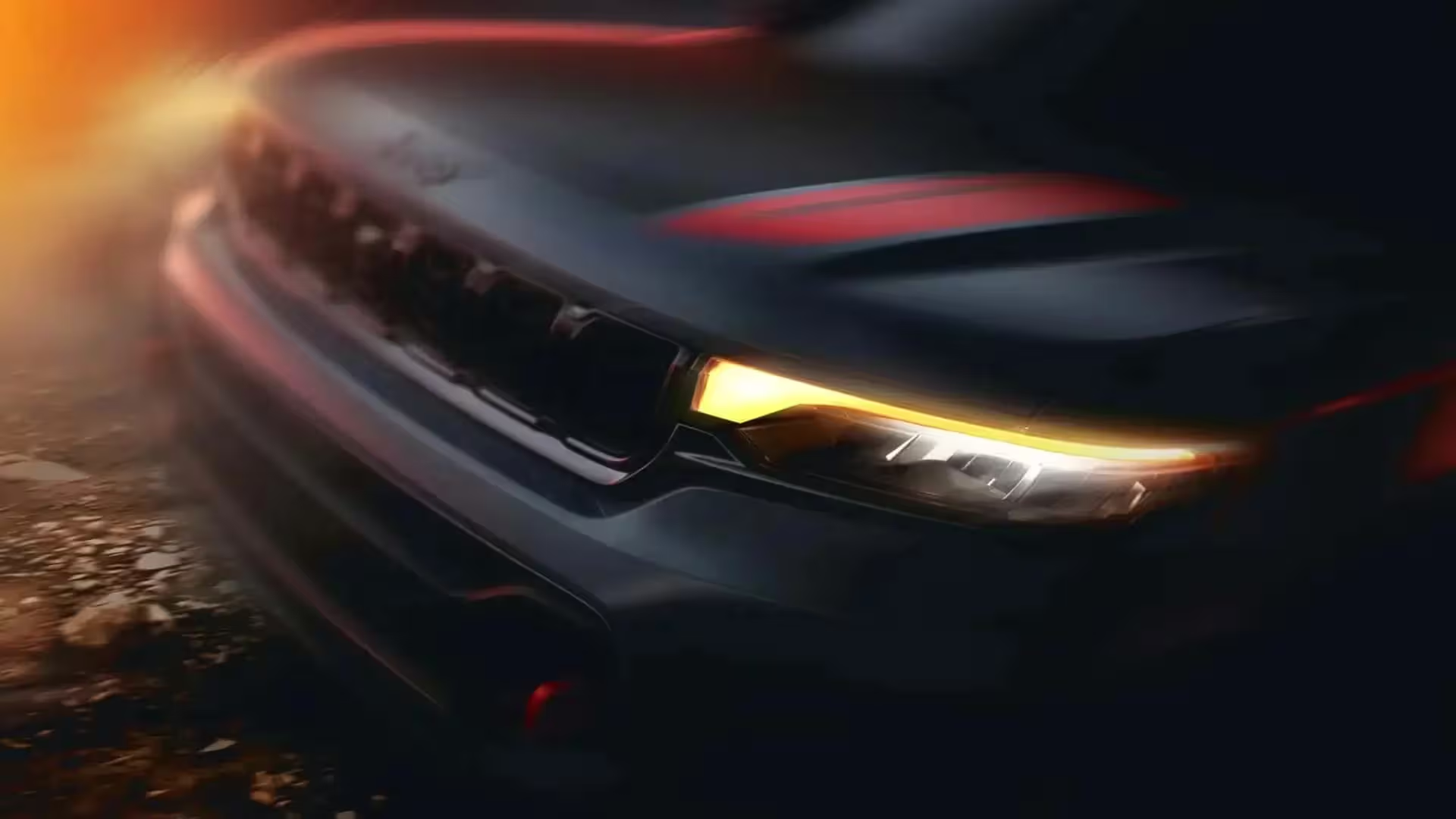
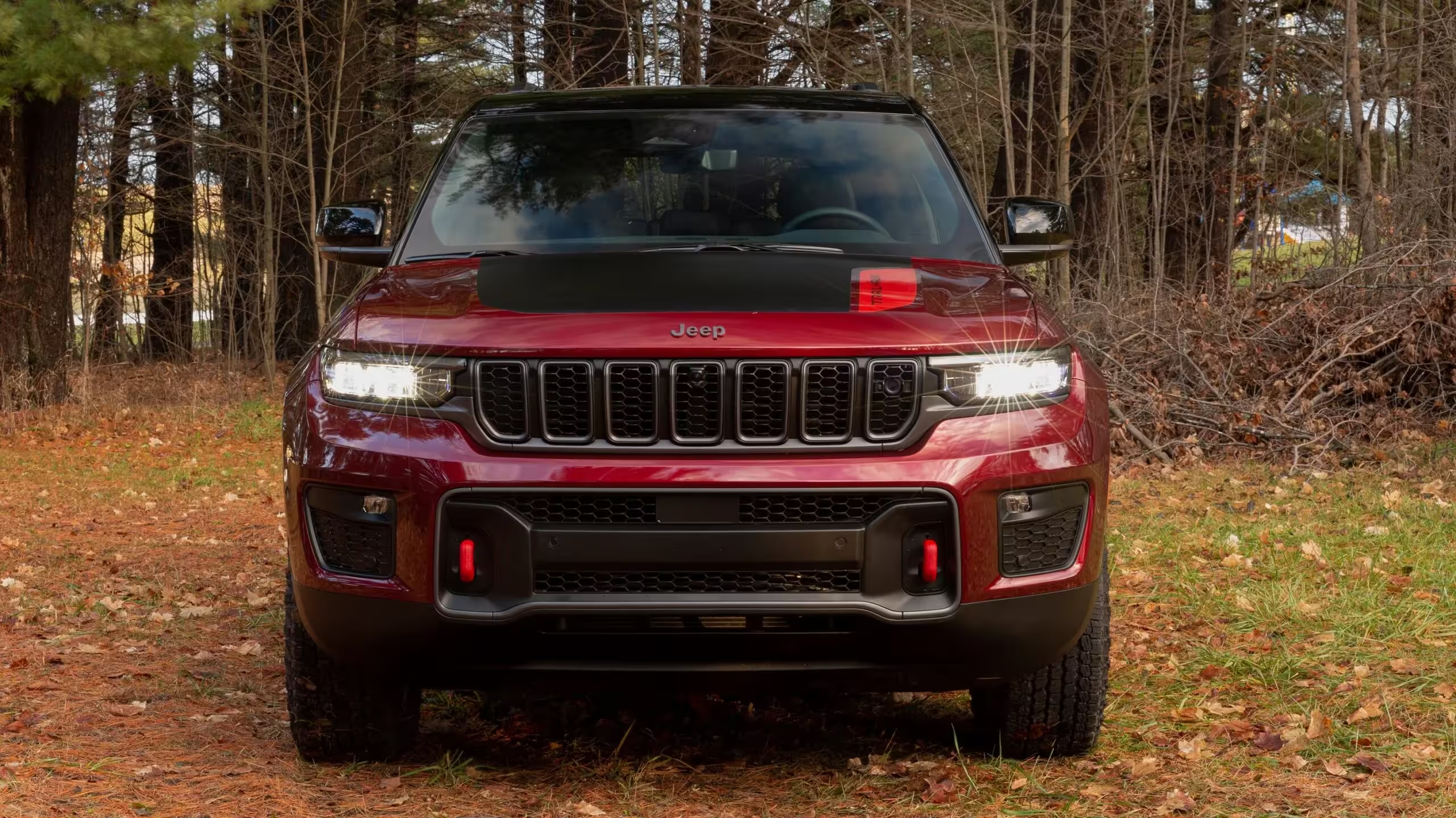
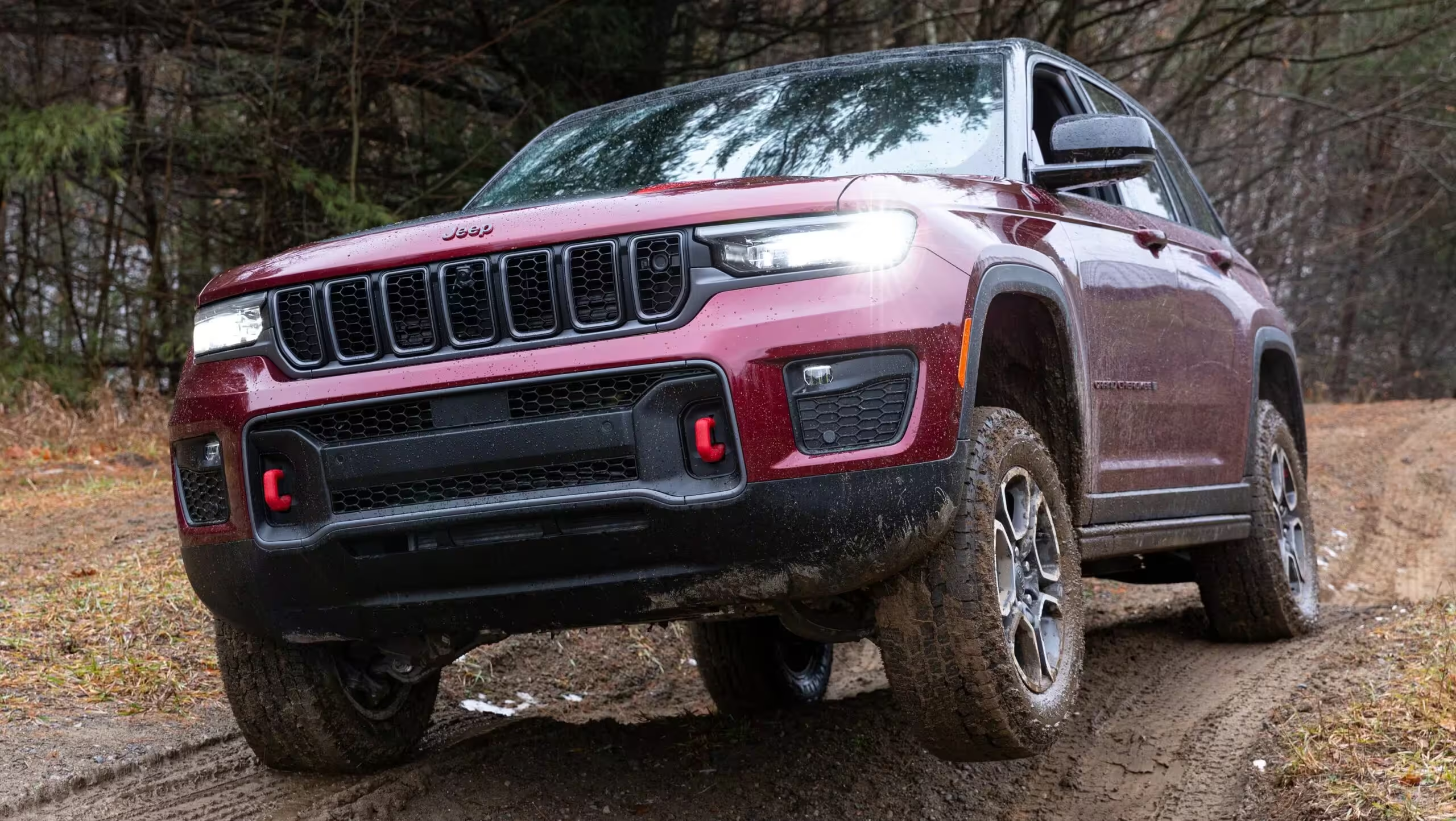
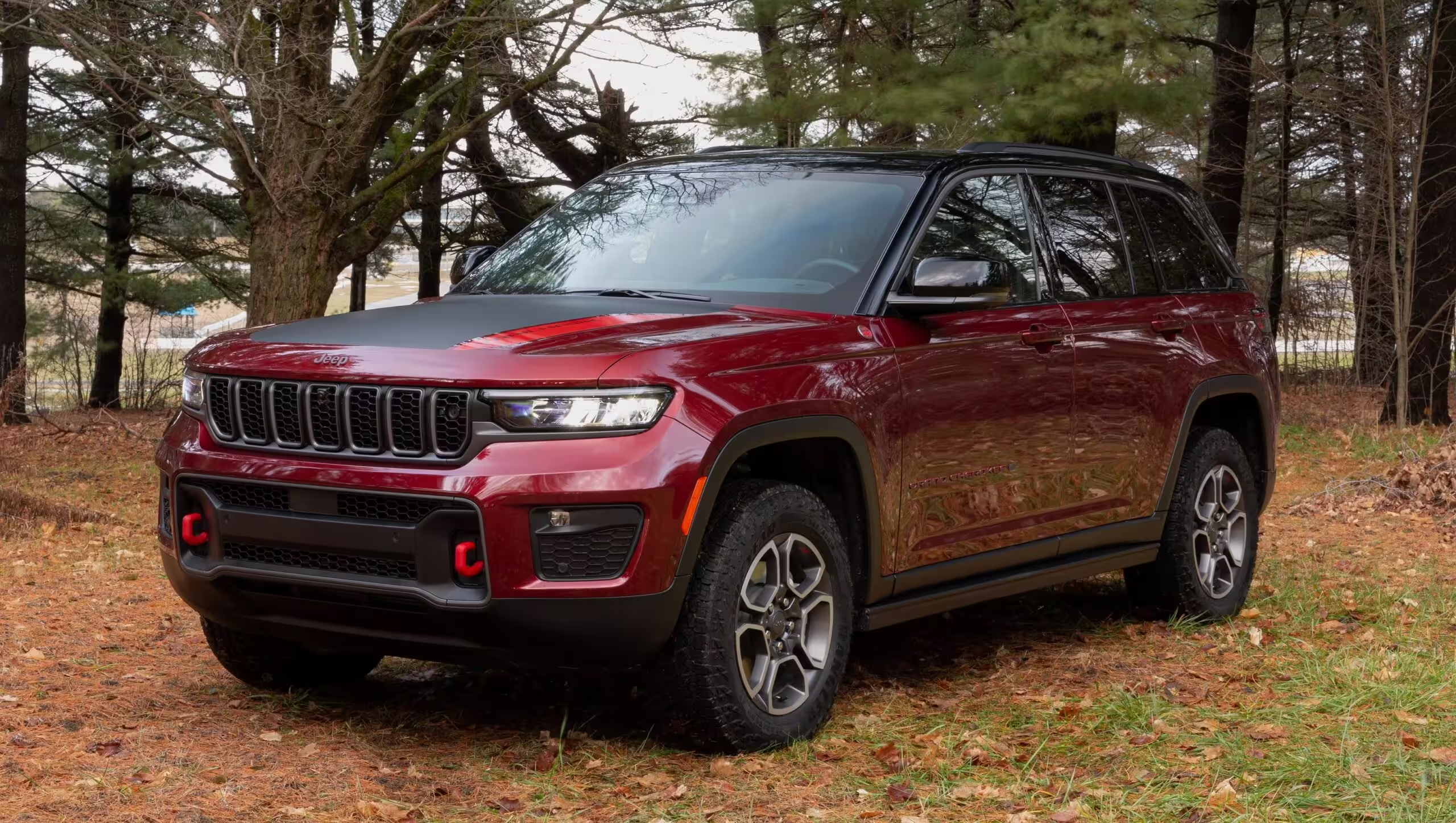
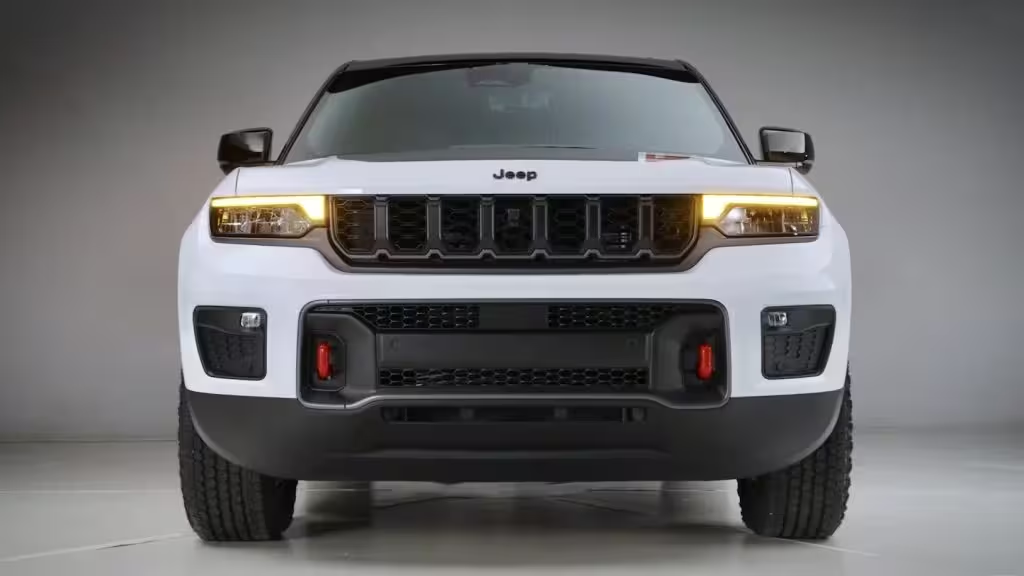
The exterior leans into a more rugged aesthetic, featuring design cues that emphasize durability and readiness for adventure. The deep red paint, contrasted with a matte black hood decal featuring a prominent red stripe, immediately signals its sporting intent, as seen in the front and three-quarter views. The iconic seven-slot grille and sharply illuminated LED headlights, flanked by robust lower bumper elements housing vivid red tow hooks, reinforce its formidable presence.
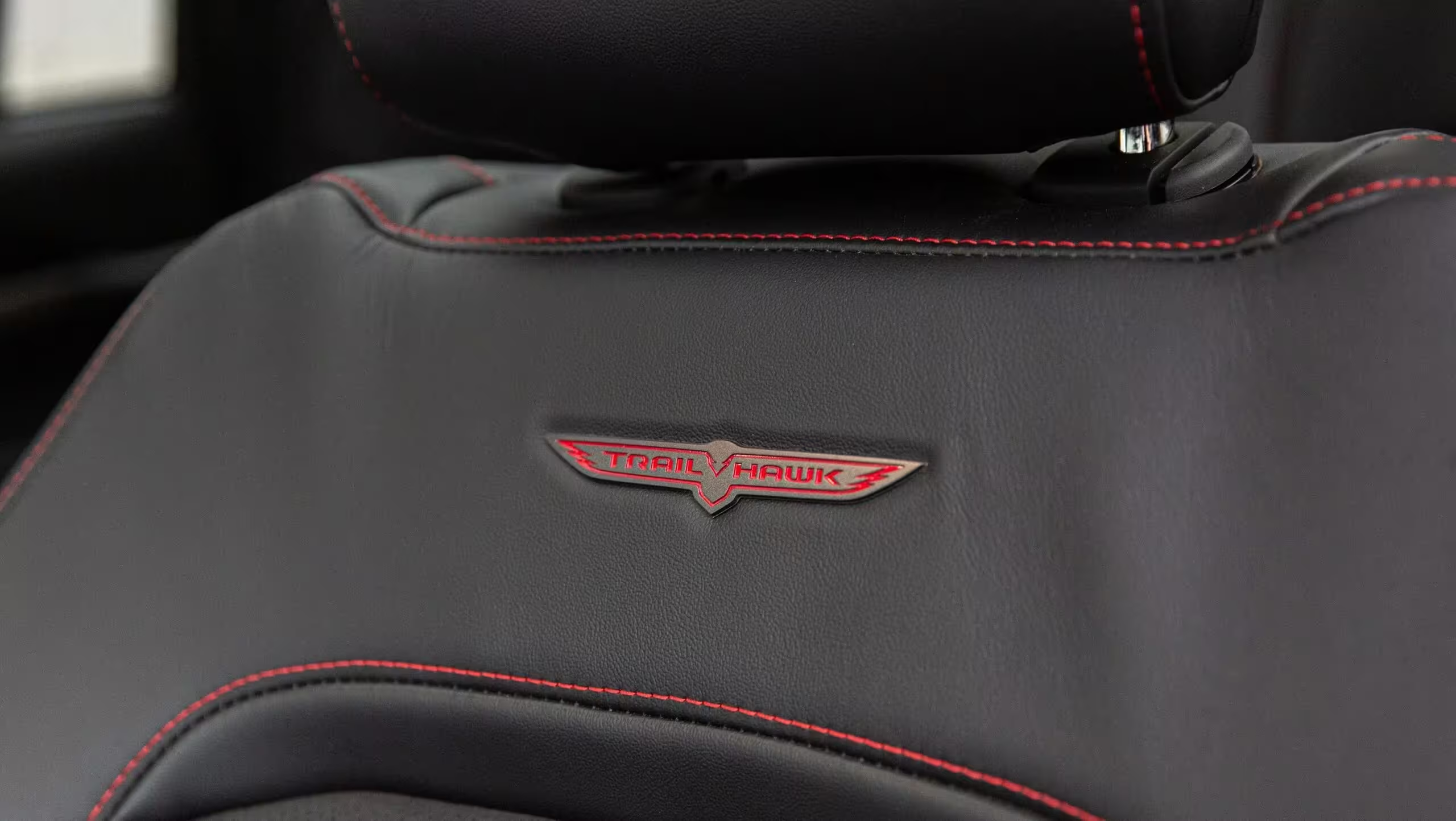
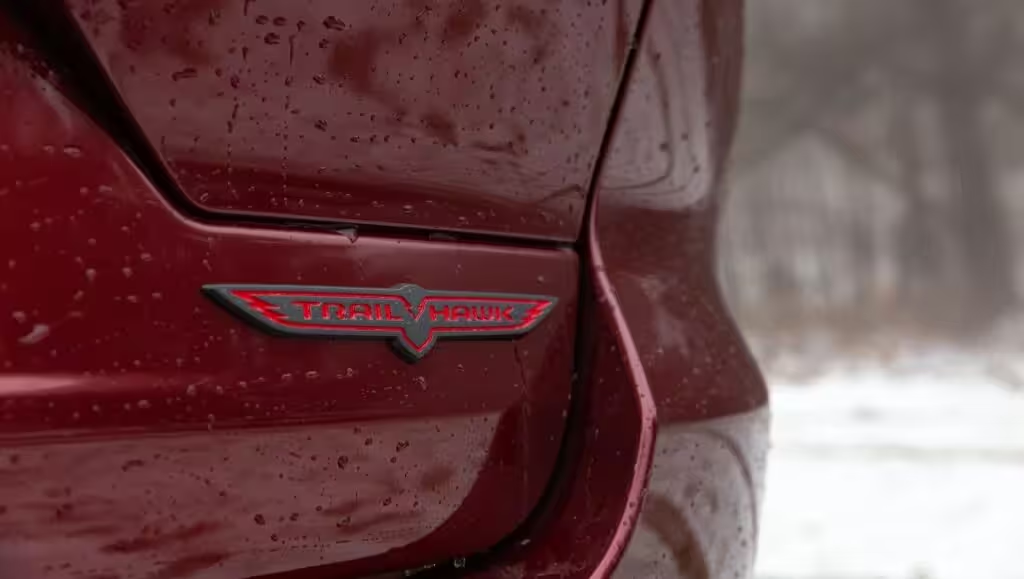
Inside, the focus remains resolutely practical, offering a cabin that strikes a balance between comfort and usability. Materials are selected not just for their appearance but for their ability to withstand real-world use and the rigors of an active lifestyle. Details like the metallic 'TRAILHAWK' badge with red accents prominently stitched into the black leather seats, complemented by red contrast stitching, reinforce the vehicle’s identity and commitment to its rugged mission.
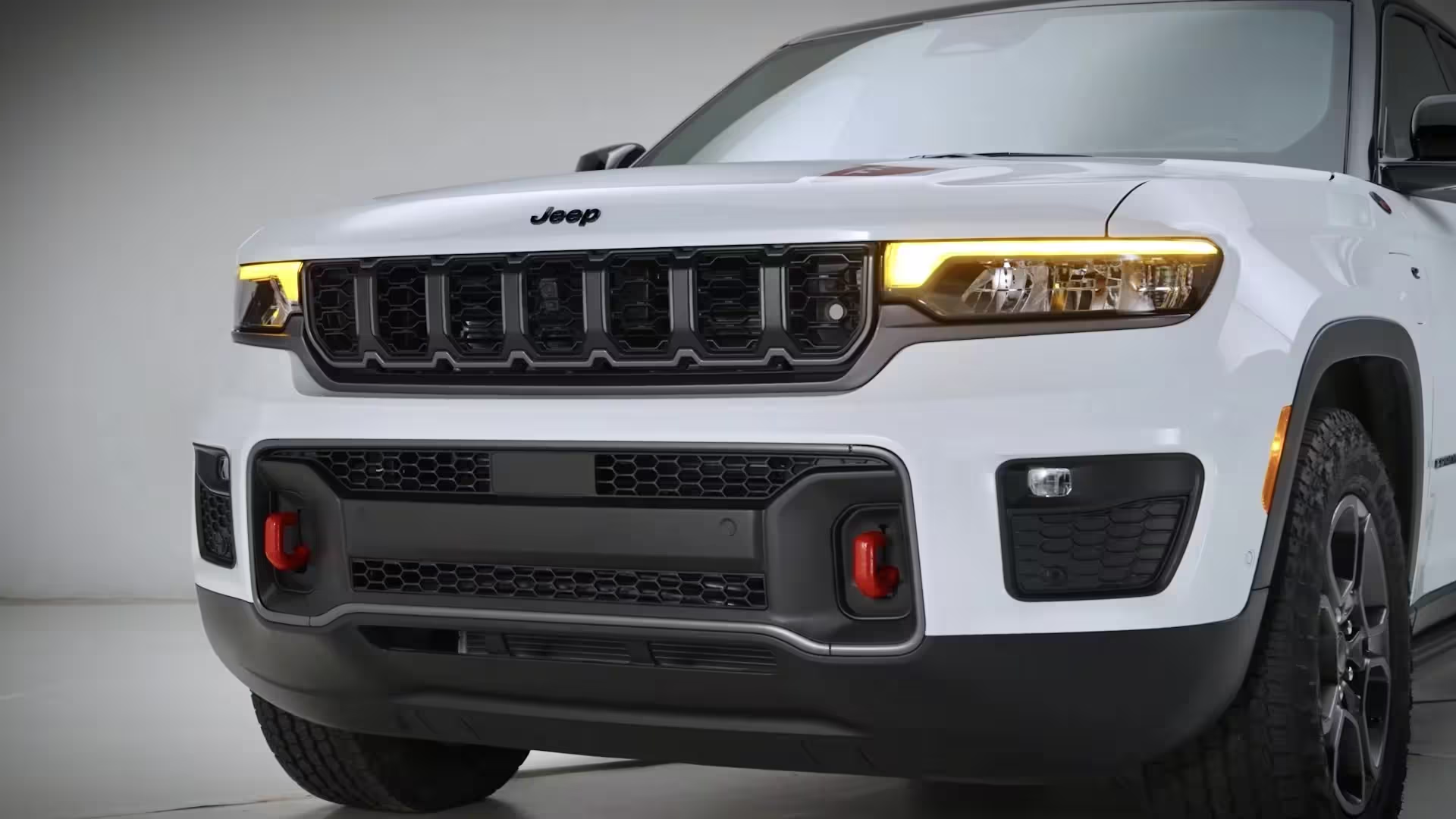
The overall effect is a vehicle that feels cohesive from the outside in. There is no disconnect between its purposeful appearance and its inherent capabilities, precisely what discerning buyers in this segment demand. Even in a studio setting, the white variant with its black grille, amber daytime running lights, and red tow hooks maintains this consistent, ready-for-anything persona.
Powertrain Expectations and What Comes Next
One of the most significant questions surrounding the new Trailhawk is the exact powertrain that will propel it. Jeep has several viable options, each offering a distinct balance of performance and efficiency. The most probable direction points toward modern turbocharged engines, which are adept at delivering robust output without compromising fuel economy significantly. Simultaneously, the prospect of more traditional engine options continues to generate considerable interest, particularly among long-time Jeep enthusiasts who prefer a classic driving feel and straightforward mechanicals.
While final specifications are still emerging, the confirmed shift back to gas power alone marks a substantial change. This move aligns more closely with the actual usage patterns of Trailhawk buyers, especially those who frequently venture into demanding off-road environments where simplicity and reliable power are paramount.
Why This Shift Is Important
The resurgence of the gas-powered Trailhawk arrives at a pivotal moment, as off-road-focused vehicles continue to surge in popularity across the automotive industry. While nearly every brand is introducing rugged trims, Jeep retains a unique and enduring position as the benchmark in this specialized segment. By reintroducing a gas-powered Trailhawk, Jeep is not merely participating in a trend; it is strengthening its foundational position.
This decision is less about reinventing the proven formula and more about refining it, ensuring it remains true to its heritage. The move also plays a crucial role in rebalancing the Grand Cherokee lineup, offering a distinct and unambiguous choice for buyers whose primary priority is uncompromising capability over electrification. Crucially, it demonstrates that Jeep is actively listening to its dedicated customer base. The consistent demand for a more traditional Trailhawk never waned, and this return is a direct, emphatic response to that persistent call.
Final Thoughts: A Timely and Well-Judged Comeback
The 2027 Jeep Grand Cherokee Trailhawk isn't designed to rely on flashy, unproven innovations to distinguish itself. Instead, it meticulously focuses on delivering what truly matters most to its target audience: exceptional capability, unwavering reliability, and a crystal-clear sense of purpose. By stepping away from the hybrid-only approach and returning to a more traditional, gas-powered setup, Jeep is powerfully reconnecting the Trailhawk with its authentic roots.
For drivers who demand an SUV that is genuinely ready for demanding off-road use, free from unnecessary complexity, this comeback feels both incredibly timely and exceptionally well-judged. The 2027 Grand Cherokee Trailhawk is poised to reclaim its throne as the definitive choice for pure, unadulterated off-road adventure.